You’re holding two pink dresses. She’s already spinning in one — this is the third pink dress this month.
Here’s what’s surprising: across studies, blue, not pink, is the most common favorite color among both boys and girls (Jonauskaite et al., 2019). So her pink obsession isn’t universal. It’s personal, and a real preference only shows up when she reaches for the same color again and again.
The color was never really the decision. Choosing the right pink dress for kids comes down to fabric, safety, sizing, and fit — the part every retailer skips so they can just sell you another dress.
Why Kids Actually Love Pink (The Science)
My daughter was two when it happened overnight. One week, clothes meant nothing. Next, she refused anything that wasn’t “the pink one.” Turns out I wasn’t imagining it there’s actual research behind it.
When Pink Preference Actually Starts
Infants show no gender-linked color preference at all. By age two, girls choose pink objects more often than boys. By two and a half, that preference is clear, while boys begin actively avoiding pink (LoBue & DeLoache, 2011).
Researchers tracked 126 toddlers over six to eight months and watched the pattern form in real time (Wong & Hines, 2015) — it doesn’t arrive fully formed; it builds.
Is Pink Preference Nature or Culture?
Here’s what surprised me: my son, at the same age, gravitated toward a pink toy stroller at daycare. No one had told him it “belonged” to girls.
Kids don’t start with a preference. They start with whatever’s in front of them, which is worth remembering the next time you’re dressing your kids differently than your mom dressed you. That’s the real reason a pink dress for kids is worth more thought than just picking the color.

Fabric, Comfort & Safety Checklist
She wore that sequined pink dress for exactly ten minutes before the tears started. Not the color — the tag, the seams, all of it. Comfort beats style every time.
Cotton vs. Polyester
Cotton breathes better and sits gentler on sensitive skin, and its simpler chemical makeup makes it easier to certify clean. Polyester works too, but needs tighter dye control, or the color bleeds onto skin.
Safety Standards to Check For
Daywear must pass the federal flammability standard, 16 CFR 1610 (CPSC). This tests how easily fabric ignites and burns.
For real reassurance on a pink dress for kids, look for OEKO-TEX certification. It tests fabric against over 1,000 regulated substances, not just dye.
Before buying, check for:
- Tagless or printed labels
- Flat, covered seams
- Non-pinching waistbands
- Securely stitched embellishments — loose sequins are a choking risk, not just a nuisance
One rule I’ve never broken since: I run my hand inside every seam before she tries it on. Ten seconds now saves an outfit meltdown later.

Getting the Size Right
Sizing a pink dress for kids is trickier than it looks. Three inches too long. Sleeves past her knuckles. That’s what “true to size” got me because I trusted the age label instead of the chart.
Why Fitted Dresses Are Riskier Than Casual Wear
An elastic waistband forgives sizing mistakes; stretch absorbs the error. A structured, fitted dress has nowhere to hide it. That’s exactly why “runs small” reviews matter here far more than they would on a t-shirt.
The Brand-Chart Rule
Check the brand’s own chart against your child’s actual measurements: height, chest, waist. Age labels are a guess. Measurements aren’t.
Before you buy:
- Search reviews for “runs small”
- Measure, don’t estimate
- Size up for structured styles
- Check the return policy first
One dress taught me this the hard way. Yours doesn’t have to.
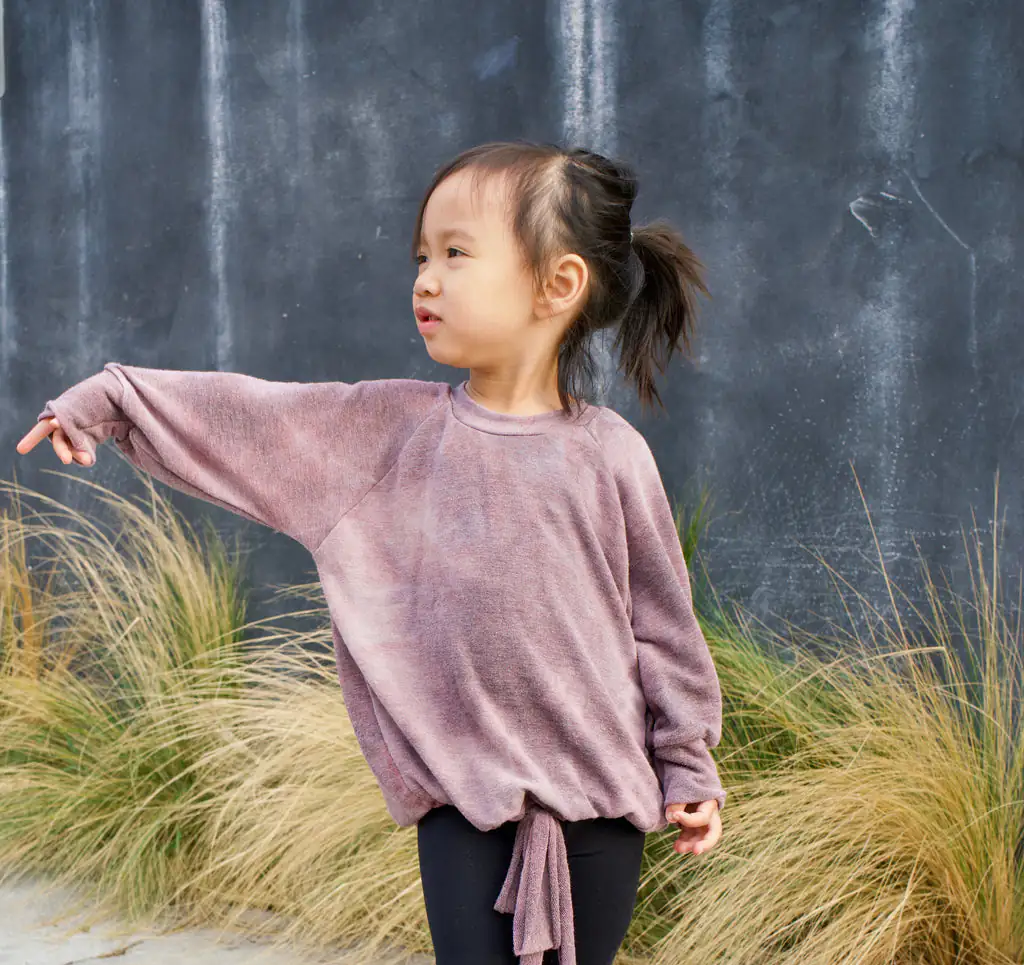
Pink Dress by Occasion
By hour three, she was miserable, itchy, and done. I’d picked a tulle party dress for a full day outdoors. I used to think “party dress” just meant fancy. Turns out it means something specific about fabric.
Everyday Wear and School Basics
Prioritize stretch and washability, the kind of dress that survives a playground, not just a photo. Jersey knit and soft cotton outlast tulle or lace through recess, spills, and repeated washing.
Party and Holiday Dresses
Structure works here: sequins, tulle, a fuller skirt. Comfort only needs to last a few hours, not a full day.
Flower Girl and Formal Occasions
Match the wedding’s palette if you must — but nobody remembers the exact shade in the photos. What they remember is whether she made it through the ceremony without a meltdown, which comes down to durability, not color.
The right occasion match means she forgets what she’s wearing — and just plays.

Care Tips — Keeping the Pink Pink
A $30 dress turned my white leggings pink in one wash. Now nothing goes near the laundry pile untested.
Test Before You Trust the Care Label
Dampen a hidden seam; press a white cloth against it. Color transfer means the dye isn’t fully colorfast — no matter what the label promises.
Why Bleeding Dye Matters Beyond Looks
Bleeding isn’t just a laundry inconvenience — unstable dye is often linked to broader chemical instability, exactly what certifications like OEKO-TEX test for.
Everyday Washing
Most machine-washable pink dresses hold up fine on a gentle, cold cycle. Heat is what accelerates fading, not time.
Quick checklist:
- Wash-test first
- Cold and gentle
- Wash separately at first
- Air dry when possible
Skip the test once, and you’ll be scrubbing pink off everything else in the load — ask me how I know.
FAQ
At what age do girls start preferring pink?
Not from birth. A real preference emerges around age two and becomes clear by two and a half (LoBue & DeLoache, 2011)
Is pink dye safe for kids’ skin?
Usually — but “usually” isn’t good enough for something worn against her skin all day. Look for OEKO-TEX certification, which tests fabric against over 1,000 regulated substances, not just dye.
How do I know what size to order?
Ignore the age label. Check the brand’s own size chart against her actual measurements, and search reviews for “runs small” before you click buy.
What occasions is a pink dress good for?
Stretch cotton for everyday; structured, dressier fabric for parties and flower-girl duty. Match the fabric to the day, not the event name.
How do I stop the color from fading?
Wash-test before the first wear. Then wash cold and gently — heat, not time, is what kills a good pin
Conclusion
Choosing a pink dress for kids was never about the color. It comes down to fabric, safety, sizing, and occasion, the framework retailers never explain, and why so many pink dresses get worn once and shoved in a drawer.
Start with fabric and certification. Get sizing right using the brand’s chart, not the age label. Match structure to the moment: everyday, party, or formal. Comfort is what turns cost per wear from a gamble into a guarantee.
That two-and-a-half-year-old preference she has for pink is real, well-documented, and not going anywhere now that you know how to meet it with a dress she’ll actually wear.