
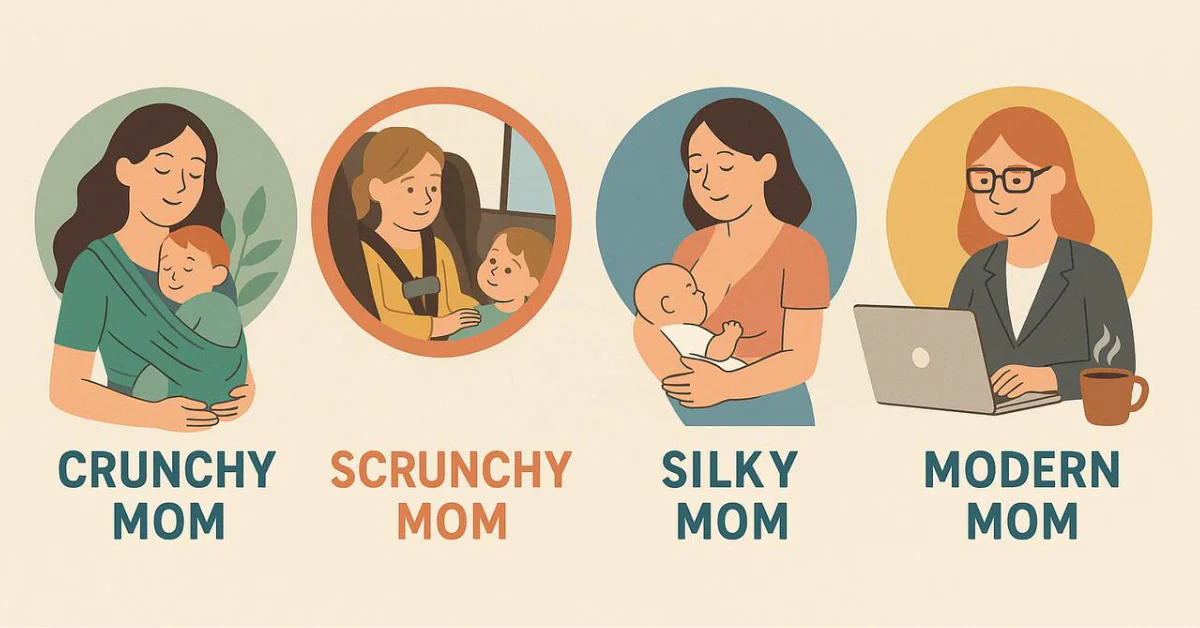
The crunchy parenting movement has emerged as mothers increasingly question conventional systems and lean toward natural, instinct-driven approaches in raising children. In this lifestyle,homemade organic foods, attachment parenting, and eco-friendly choices blend to create what many self-described crunchy moms believe offers their little ones the best foundation.
Unlike silky parents who embrace modern-day advances and trust mainstream parenting practices, crunchyparents prioritizeholistic health, nontoxic alternatives, and sustainable living, though critics say this approach can feel isolating and overwhelming to maintain.
Whether you’re a mom who practices baby-wearing, makes your own baby food, or tries to find balance between crunchy ideals and practical reality, understanding what this parenting style truly means helps you make good decisions that work for your family without the burnout or judgment that often comes with any philosophy in the world of early motherhood.

What Is the Silky Mom Parenting Style?
A silky mom fundamentally relies on modern convenience and conventional medicine, keeping her pediatrician on speed dial while embracing packaged foods and disposable diapers to make daily parenting more practical. These parents typically prefer hospital birth with an epidural, trust their doctor to make best medical decisions for their kids, and go with store-bought baby food that’s easy to stock up on rather than spending time creating homemade purees.
What Characterizes a Scrunchy Mom?
Scrunchy moms fall somewhere between the end of both spectrums, blending what they feel works well for their family without stress over maintaining rigid ideals. These parents practice with grace, using cloth diapers on weekends while reaching for disposable diapers during traveling, or checking ingredients in homemade foods at home, but stay flexible when kids eat what’s offered at school, camp, or birthday parties.
The balanced approach means they’re not just trying to maintain a title; instead, they discover practical solutions through their parenting experience, learn what meets their baby’s needs, and aren’t afraid to change things up when things aren’t working out. Scrunchy parents embrace both modern conveniences and natural choices, whether that’s baby-wearing one day and using a bouncer the next, practicing gentle parenting while still setting clear structure, or choosing organic milk alongside store-bought baby food pouches for busy days.
This zone allows them to offer their children love and devotion through researched, healthier options without the burnout that comes from doing everything holistic, and they can relate to other moms across different values without feeling competitive or judged.
Why Choose Crunchy Parenting?
Crunchy parenting creates support systems where moms genuinely connect with like-minded women who share similar values about raising children, something that feels increasingly vital in today’s fragmented world.
This approach to parenting naturally allows you to make thoughtful choices about what babies eat, which products you buy, and how you use everyday items, giving you a sense of control over your child’s health and well-being that medicalized solutions sometimes can’t provide.
The lifestyle tends to help parents focus on bonding through practices like extended breastfeeding and co-sleeping, which keep you closely in tune with your little one while teaching resourceful habits that benefit not just your family but the home environment overall.

What Are the Cons of Crunchy Parenting?
While crunchy moms often feel empowered about their holistic approach to raising little ones, the lifestyle must come with hidden challenges that aren’t always discussed.
The constant pursuit of organic everything from baby food to non-toxic nursery essentials can make daily parenting feel like a battle against modern conveniences, and the time spent researching homeopathic treatments or sourcing fresh ingredients from local farms must strain even the most dedicated mom.
Many find themselves criticized for being too lax with screen time boundaries or too rigid about avoiding processed foods, creating an isolating experience where comparison with silky parents becomes inevitable, and the expectations they’ve created leave less room for the flexibility that scrunchy moms naturally embrace.
How Do Crunchy and Silky Moms Approach Childbirth?
When it comes to childbirth, the divide between crunchy and silky approaches reveals fundamental differences in how mothers view the birth experience. Crunchy moms often gravitate toward home births, seeing them as a way to stay connected to the natural process without hospital interventions, while silky moms trust the medical institutions and embrace their pediatrician and medical team’s guidance from the very first moments.
The crunchy parenting philosophy here centers on keeping the experience calm and gentle, perhaps with a doula present, whereas silky mothers might welcome an epidural without hesitation, viewing modern medicine as a gift rather than something to avoid.
What’s fascinating is how scrunchy moms navigate this. They might choose a hospital birth but request minimal interventions, or plan for home births with backup medical support, showing that crunchy parenting doesn’t always mean strictly adhering to one camp or the other.
Both styles ultimately reflect what each mother believes will best support her baby’s entry into the world, whether that looks like embracing all available technology or choosing the most minimalistic path possible.
How Do Crunchy and Silky Moms Approach Infant Feeding?
Breastfeeding becomes the cornerstone where crunchy parenting diverges most sharply. Exclusive committed mothers might breastfeed for extended periods while practicing baby-led weaning to introduce varied textures and tastes rather than relying on store-bought purees.
The crunchy philosophy here means babies explore new foods directly, developing motor skills through self-feeding rather than being spoon-fed controlled portions from jars.
Meanwhile, silky approaches favor convenience, making it easy to stock up on commercial options that give parents better control over nutrition without the mess, making things more convenient when you go about daily routines.
This fundamental split in crunchy parenting reflects whether you prioritize natural developmental rhythms over practical efficiency during those exhausting early months.
How Do Crunchy and Silky Moms Approach Medicine?
When fever strikes, crunchy parenting advocates try reaching for natural remedy options first, think essential oils or herbal teas before considering over-the-counter medications like Tylenol. The scrunchy crowd, however, stays flexible: they might lean towards holistic care for a mild cough but won’t hesitate when their child genuinely ails and needs conventional intervention.
Meanwhile, silky moms prioritize ease and efficiency, viewing medicine as a straightforward solution rather than a philosophical debate. Both styles ultimately focus on the child’s health, just through different lenses. Crunchy parenting emphasizes preventative, nontoxic approaches, while silky methods embrace what modern health science provides without overthinking every dose.
How Do Crunchy and Silky Moms Approach Baby Food?
When it comes to baby food, the divide runs deep between parenting philosophies. Crunchy advocates lean toward homemade purees, often organic selections they’ve prepared themselves, believing fresh ingredients offer superior nutrition compared to store-bought options.
They’ll spend hours making batches from scratch, trusting that natural preparation methods preserve the vital vitamins their little ones require for optimal development. Meanwhile, silky parents embrace convenient store-bought baby food, valuing the time savings and standardized nutrition labels that remove guesswork from feeding schedules.
The crunchy parenting approach prioritizes avoiding processed foods and additives, while silky families appreciate how jarred options simplify mealtime chaos. Both camps ultimately want their babies to receive adequate nourishment, though their methods reflect entirely different values about what constitutes proper infant care in today’s modern landscape of crunchy parenting choices.
How Do Crunchy and Silky Moms Approach Diapering?
Cloth diapers represent the crunchy approach where parents must commit to washing routines, believing reusable options reduce environmental impact while avoiding chemicals found in disposable alternatives though this choice demands time and effort that silky counterparts simply won’t invest.
The silky side embraces convenience through disposables, arguing parents must prioritize sanity over sustainability, especially when modern options offer better absorption and less mess during those chaotic early months of motherhood.
How Do Crunchy and Silky Moms Approach Toys?
Crunchy parenting advocates often lean toward wooden playthings and natural materials, believing these options help stimulate a child’s creativity without the harsh chemicals found in plastic alternatives think Montessori approach to learning, where toys aren’t just fun but teach resourceful play.
Meanwhile, silky moms typically embrace devices and technology-driven features, finding modern products easier for keeping kids engaged while parents handle a lot of daily demands.
Crunchy parenting enthusiasts tend to avoid anything with toxins, preferring items that won’t end up creating waste in landfills, though this choice can seem limiting when you walk through trendy stores like mass retailers, where disposable everything dominates shelves and millennial moms increasingly fight to find that right balance between eco-conscious practices and practical time-saving solutions for their young families.
Nursery Choices: Crunchy Mom vs Silky Mom
When silky parents lean toward the end of comfortable furniture with bold patterns that stimulate creativity, crunchy advocates must prioritize a neutral color palette for the baby’s room, believing toxic-free features are vital to creating a healthy atmosphere.
This millennial mom’s approach to children must focus on emotional and mental health rather than following old-school methods of tough love from previous generations, encouraging welcoming spaces that help young kids adapt to the world outside home as soon as they’re ready.
Typically, this kind of mindset leads to nursery essentials that seem trendy yet mindful a philosophy many millennials have taken credit for, though the idea isn’t particularly new.
What Do Real Crunchy Moms Say About Parenting?
The term “crunchy parenting” has exploded in popularity across social media platforms like TikTok, where crunchy moms openly share their practices with both criticism and praise. What millennials have taken credit for isn’t exactly new the hippie movement of the 60s and 70s rejected mainstream culture in similar ways, though today’s crunchy parent might focus on toxins in baby product choices while still planning a hospital birth with their bestie present.
Real crunchy moms find themselves navigating a world where choosing home remedies over modern medicine can feel isolating, yet they trust their pediatrician for the best medical decisions while simultaneously embracing holistic medicines for common medical needs.
This approach to children often focuses on emotional and mental health in ways previous generations never prioritized rejecting coercive parenting methods while letting babies’ needs help determine whether exclusively breastfeeding or formula feeding becomes the choice because nutrients matter, but so does a calm mom who can truly enjoy early motherhood without lacking self-care.
The ultimate goal isn’t achieving celebrity status like Kourtney Kardashian eating her placenta; it’s about making good decisions regarding a baby’s well-being while accepting that sleep training in a crib doesn’t automatically make someone less crunchy, and that co-sleeping isn’t required to build a strong bond between parent and child.
Which Parenting Approach Is Right for My Baby?
When raising babies through crunchy parenting, the best approach must align with what feels natural to you as a parent rather than forcing yourself into someone else’s ideal babies respond to authenticity, so whether you’re drawn to attachment practices like breastfeeding on demand and babywearing or prefer letting caregivers handle bottle feeding while you rest, the choice should feel comforting without guilt.
What matters most isn’t perfecting every aspect of natural living but understanding your own capacity: maybe you’ll seek organic products for baby food yet still appreciate disposable diapering during travel, or perhaps you’ll commit to EBF (exclusively breastfed) routines while skipping cloth wipes entirely the key is knowing these options exist and choosing what serves your family’s actual needs rather than an imagined standard, because ultimately babies thrive when parents feel confident and supported, not overwhelmed by expectations they can’t realistically meet in their current life circumstances.
What’s the Difference Between Crunchy and Scrunchy Moms?
The scrunchy approach meshes these worlds together, where weekends might include sourdough bake sessions while also allowing technology during downtime, creating lifestyles that feel genuinely attainable for new parents navigating what feels right without the fight of choosing opposite extremes.
This combination lifestyle lets families follow their instincts rather than a certain set of rigid rules, making crunchy parenting principles work instead of feeling like they’re doing everything wrong because honestly, watching your baby thrive matters more than whether you fall into one category perfectly, and that flexibility typically leads to less judgment when someone sees your occasional disposable diaper at the park or checks out your non-organic snacks in the cart.
Scrunchy moms essentially take what makes sense from both worlds, whether that means keeping a neutral color palette in the nursery while still using convenient devices, or choosing to breastfeed but being okay with bottle-feeding breastmilk when dads need to bond they’re designed to adapt based on what works for their family, not what labels say should happen, and this mindset invites connection over division because parenting isn’t meant to be about sticking to one way when different tools serve different purposes throughout your baby’s features of emotional and mental health development
FAQs
Q: How does crunchy parenting differ from silky moms who follow the traditional vaccine schedule and hospital births with epidural pain relief medication?
A: Crunchy parenting advocates often prefer home birth utilizing a midwife or birthing center, remain aware of contractions without pain medication, practice attachment parenting, and question vaccinations rather than staying up to date on every doctor-recommended immunization.
Q: What nontoxic swap choices define crunchy parenting in everyday routines from diaper changes to bedtime?
A: Self-described crunchy advocates use gentle products for sensitive skin during diaper changes, avoid harsh chemicals in makeup and bath stuff, serve healthy options at dinners, never sleep trained using the cry-it-out method, and create a healthy atmosphere with comfortable furniture in the nursery.
Q: Can scrunchy mom approaches combine crunchy parenting methods like the Montessori approach to learning with conventional medicine from older relatives’ advice?
A: A scrunchy mom might embrace Montessori approach principles, feed blended first food options, practice potty training early, yet still receive an epidural during childbirth, follow partial vaccine schedule recommendations, and accept gift items that aren’t 100 percent nontoxic.
Q: Why do real crunchy moms teaching resourceful habits stay away from preservatives but still face potential disadvantages when others judge their lifestyle?
A: Crunchy advocates think teaching children to eat what their bodies need means avoiding preservatives from standard butchers, yet Ayrapetyan notes crunchy parenting can seem limiting when society doesn’t stand with different choices, causingjudgmentthat affects maternal mental health and creates separation from partner or Grammy’s house gatherings.
Q: What makes crunchy parenting a newer stereotype beyond old-school methods when considering bed routines, furniture selection, and direct opposition to the latest trends?
A: The woman practicing crunchy parenting gets lumped with granola and sad beige aesthetics, chooses patterns that stimulate creativity over fun conventional room designs, practices acupuncture instead of standard medicine, remains a huge fan of natural route health benefits, and encourages outside exploration rather than 30 minutes of TV in the morning before school.