
Walking into a ready-made family feels like joining a play already in progress, except nobody gave you the script, and half the audience resents your presence. Welcome to stepmotherhood, where you’re expected to immediately bond with children who didn’t ask for you, maintain peace with an ex-partner you never dated, and do it all while people judge every move you make.
The mental toll is crushing. Research shows stepmothers experience depression at nearly twice the rate of biological mothers. When you’re constantly giving to people who may never reciprocate, stepmom therapy isn’t optional; it’s survival.

The Loyalty Bind That Keeps Stepchildren DistantOne of the cruelest dynamics is the loyalty bind when stepchildren feel that liking you means betraying their biological mother. This invisible emotional trap keeps many stepchildren from fully accepting you.
A child might genuinely enjoy spending time with you, then suddenly withdraw or lash out. This whiplash behavior often signals internal guilt. In their minds, caring about you diminishes their loyalty to their “real” mom.
This loyalty conflict intensifies when the biological mother feels threatened. Kids pick up on maternal insecurity and unconsciously adjust their behavior around you to shield their mother’s feelings.
You cannot logic your way out of this bind. The loyalty bind operates on emotional, not rational, levels. Children can simultaneously know you’re positive and feel terrible about acknowledging that reality.
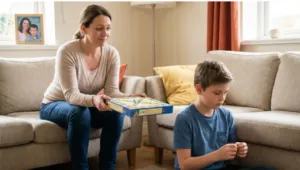
The 5-7 Year Reality: Why Blended Families Don’t Blend Overnight
Couples expect to feel cohesive within months. When that doesn’t happen, stepmothers internalize the failure. The actual research shows mental health professionals consistently identify a four to seven-year integration period for blended families to develop genuine stability.
That’s four to seven years until family members simply feel comfortable around each other. During those years, children adapt to new arrangements and divided loyalty. Your partner balances competing needs while managing guilt. You’re attempting to find your place in a system that existed before you.
Year three doesn’t mean you’re failing; it’s a normal adjustment. Professionals offering stepmom therapy provide desperately needed perspective, helping women stop measuring themselves against impossible standards.

When Your Partner Is Part of the Problem: Addressing Unsupportive Spouses
Sometimes the person causing you the most pain isn’t the difficult ex-wife or resentful stepchildren, it’s your own partner.
When your spouse consistently prioritizes his children’s comfort over your basic respect, you’re not in a partnership. When he dismisses your concerns as an overreaction, he’s gaslighting your reality. When he refuses to set boundaries with his ex to avoid conflict, he’s choosing her emotional needs over yours.
This dynamic destroys marriages. Couples-focused stepmom therapy forces these conversations into the open. A skilled therapist helps your partner understand that protecting your dignity isn’t attacking his children.

The Financial Resentment Nobody Discusses: Money Matters in Blended Families
Stepmothers who express frustration about financial issues get labeled selfish, so they suffer in silence while resentment builds into relationship-ending rage.
Your household income partially supports children who aren’t yours through child support. Your partner’s ex-wife’s choices impact your security. Stepchildren’s college funds compete with your retirement.
Consider the stepmom who contributes significantly and watches family income flow to her husband’s former family while her own potential children go unattended. She has no legal rights to those stepchildren.
Or the stepmom whose money funds a home where stepchildren live part-time, but she has no authority. Professional stepmom therapy creates space to name these financial resentments without judgment.

Surviving High-Conflict Co-Parenting: When the Ex Makes Everything Harder
High-conflict individuals don’t want a resolution; they want continued drama. No amount of reasonableness satisfies them because satisfaction ends the conflict, eliminating their primary source of control.
The stepmom becomes collateral damage. The ex may send hostile messages, create emergencies, or use children to gather information. She might spread lies or manufacture crises, pulling the father’s attention from his new marriage.
Living under constant attack creates genuine trauma. Stepmothers describe hypervigilance, always bracing for explosions. Specialized stepmom therapy for high-conflict situations teaches parallel parenting strategies and helps women detach emotionally from provocations.

Permission to Disengage: When Stepping Back Is Self-Care, Not Failure
One revolutionary concept is strategic disengagement. You don’t have to participate equally in every aspect of stepfamily life, and stepping back can be the healthiest choice.
Disengagement doesn’t mean abandoning stepchildren. It means recognizing which situations create more harm than good when you’re involved and redirecting energy toward areas where you can make a positive impact.
Maybe disengagement means letting your partner handle all communication with his ex. Maybe it’s skipping school events where the biological mother makes your presence uncomfortable. Maybe it’s stepping back from discipline entirely.
Society tells women they should nurture regardless of personal cost. But when stepmoms disengage from toxic dynamics, everyone benefits.

How Therapy Helps Stepmoms Reclaim Their Identity and Peace
The cumulative weight of chronic underappreciation, high-conflict drama, financial inequity, and perpetual outsider status doesn’t just cause stress; it fundamentally erodes who you are. Stepmothers describe losing themselves entirely, forgetting what brought them joy before stepfamily life consumed everything.
Many arrive at stepmom therapy in crisis. They’re taking antidepressants that aren’t working. They’re experiencing panic attacks. They fantasize about leaving. They feel guilty for struggling because they knew their partners had children.
Stepmom therapy offers validation that this role is genuinely one of the most difficult psychological challenges a person can face. You’re not weak for struggling. You’re not selfish for having needs.
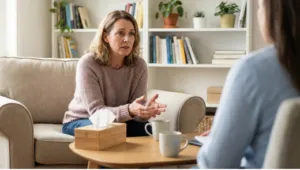
Through therapy, stepmoms learn to set boundaries without drowning in guilt. They practice communicating needs clearly. They process complicated emotions like resentment toward stepchildren, grief over expected family structure, and anger at society for providing no roadmap. Some therapists use a whole child therapy approach to address how stepfamily dynamics affect children’s emotional development alongside the stepmom’s well-being.
Therapists help stepmoms develop realistic expectations, understanding that lukewarm cordial coexistence might represent success. They reconnect with personal identity beyond the stepmom role, remembering hobbies, friendships, and individual goals. Whether seeking child therapy boulder professionals or specialists elsewhere, finding the right therapeutic support makes all the difference.
Building Bonds Without Losing Yourself
Many stepmoms torture themselves asking: why don’t these children love me? They catalog every sacrifice and moment of support. Surely all that effort should produce affection. When it doesn’t, stepmoms feel like failures.
But bonding with stepchildren operates on completely different timelines than bonding with biological children. Mothers bond with babies through thousands of hours of intimate caregiving. That neurological wiring happens automatically.
Stepchildren don’t need you that way. They already have mechanisms for getting needs met. You’re entering as an established person, not someone whose sole purpose is meeting their needs.
Children under five might bond within two years. Older children may require as many years as their age when the remarriage occurred. A ten-year-old might need a decade. That’s not rejection, it’s a normal developmental reality.
Stepmom therapy helps women release the expectation of immediate reciprocal love and instead focus on being consistently present and reliably kind. The goal shifts from “making them love me” to “being someone safe in their complicated world.”
Research shows second marriages involving children fail at rates as high as sixty to seventy percent. But those statistics improve dramatically when couples seek professional support early. Stepmom therapy isn’t about admitting defeat, it’s about acknowledging reality and getting help to beat the odds.
You chose to love someone with a complicated past. That took courage. Seeking stepmom therapy to sustain that love through difficult circumstances takes even more courage. You deserve support, your struggles are legitimate, and getting professional help is the smartest, strongest thing you can do for yourself, your relationship, and the blended family you’re working so hard to build.