
When parents face the daunting task of helping their child navigate emotional turbulence, the sheer variety of children’s psychotherapy techniques available can feel both reassuring and overwhelming. Therapists today don’t rely on a single method; instead, they weave together approaches like CBT, EMDR, and play interventions, each designed to address specific behavioral and psychological challenges that children encounter.
The therapeutic landscape has evolved from traditional talk sessions into a rich ecosystem where creative therapies, mindfulness techniques, and trauma-focused strategies coexist, offering young clients multiple pathways toward healing . What makes children’s psychotherapy techniques particularly effective is their inherent flexibility. A therapist might guide a child through sand tray exploration one week, then shift to cognitive restructuring the next, tailoring each session to what the child needs most.
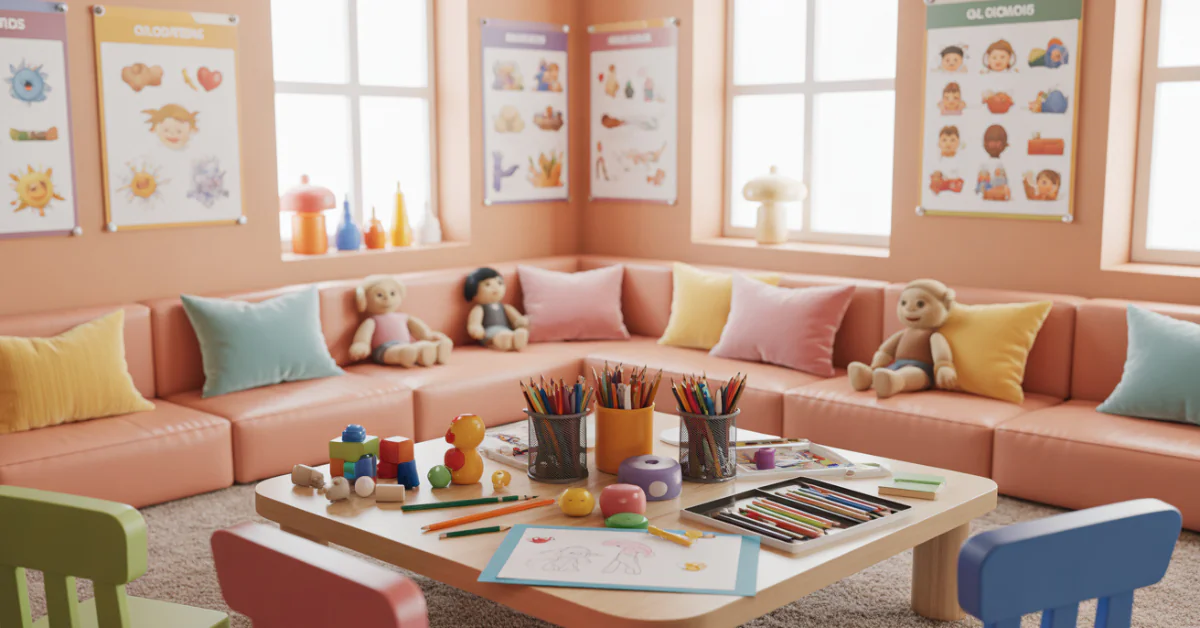
The foundation of successful treatment lies in recognizing that children rarely express their inner struggles through words alone. Play therapy, art therapy, and expressive writing stand as powerful tools because they create a safe space where feelings emerge through drawings, sculpting, toys, blocks, dolls, puppets, and games, mediums that feel natural and comfortable to young ones.
Children’s psychotherapy techniques must account for developmental stages: what works for school-age kids differs vastly from approaches suitable for adolescents or teens grappling with depression, anxiety, or trauma. Therapists trained in PCIT, DBT, or interpersonal therapy understand that involving caregivers through parent-child interaction sessions or family therapy creates consistent reinforcement at home, transforming therapeutic progress from isolated achievements into daily life skills.

Essential Insights (Life Counseling Orlando)
- Children’s Psychotherapy Techniques remain effective when therapists recognize the unique challenges each child faces, requiring therapeutic conversations that identify patterns in behavior rather than offering a quick fix to complex emotional problems.
- Therapy for children’s anxiety demands that professionals utilize cognitive-behavioral strategies alongside mindfulness exercises, where breathing methods anchor attention while progressive muscle relaxation transforms symptoms of distress into manageable responses through consistent practice.
- Play materials and expressive activities like drawing, sand, and story creation serve as powerful tools that allow young clients to communicate deep emotions non-verbally, unlocking their expressiveness when traditional verbal methods struggle to convey what words alone cannot articulate.
- Parent-Child Interaction approaches strengthen the parent-child relationship through real-time coaching sessions where caregivers learn effective communication and discipline strategies, fostering positive interactions that enhance child attachment while mitigating behavioral problems with warmth and consistency.
- Children’s Psychotherapy Techniques encompassing CBT, TF-CBT, EMDR, Filial, and Solution-Focused Brief methods equip young individuals with practical coping mechanisms and problem-solving skills that improve their ability to navigate interpersonal relationships, tackle life challenges, and develop resilience for long-term emotional regulation and overall well-being.
How does Play Therapy work?
Within the broader landscape of Children’s Psychotherapy Techniques, Play Therapy stands as a misunderstood yet profoundly effective counseling approach where therapeutic work happens through symbolic play rather than direct verbal exchange. Sessions often involve a sandbox, miniature figures, or art therapy materials that allow kids to construct their own scenes and express emotions and experiences they find difficult to articulate verbally. This isn’t recreational time but a structured treatment where the child’s creations become a window into their inner world, revealing conflicts, fears, and trauma-related struggles that words alone fail to capture.
As someone who has observed countless child therapy interactions, I’ve witnessed how a guided play session can improve emotional communication more rapidly than traditional talk-based approaches, particularly when young clients are dealing with traumatic experiences or behavioral issues. This Guide to Understanding Play Therapy for Kids emphasizes how Children’s Psychotherapy Techniques like this facilitate healing by creating a safe space where young individuals can explore and process complex feelings through creative expression. The therapist acts as a guide, helping children develop coping mechanisms and navigate their emotional struggles while they engage in seemingly simple activities, whether it’s painting, arranging miniature objects, or using story cards.
Each method serves to address underlying issues and promote positive changes in behavior and mood. Unlike Cognitive Behavioral Therapy or other verbal techniques, Play Therapy taps into the child’s natural form of communication, fostering emotional awareness and skills they’ll use throughout their development, making it an essential component within Children’s Psychotherapy Techniques for adolescents, teenagers, and younger patients alike.

How can CBT help children?
When psychotherapists work with young minds, they understand that thoughts and behaviors are deeply intertwined, a concept central to Children’s Psychotherapy Techniques like CBT. This approach stands out by enabling kids to identify problematic patterns, then modify them through structured therapy sessions that use worksheets and practical exercises. Unlike traditional methods that delve deep into past trauma, this technique focuses on present challenges, helping children manage conflicts with peers, navigate intense negative emotions, and even improve concentration, making it beneficial for those struggling with social anxiety or attention issues.
The therapists observe how cognitive distortions affect a child’s emotional state, then guide them to deal with these internal struggles by creating realistic, achievable goals through step-by-step action plans. What makes Children’s Psychotherapy Techniques particularly effective is how CBT emphasizes taking responsibility for one’s reactions while providing tools to cope with difficult situations, whether it’s bullying, familial disputes, or chronic stress. Therapists train families to foster positive changes by incorporating behavioral strategies into daily interactions, enhancing the child’s ability to communicate needs clearly and effectively.
This form of therapy can even address speech delay activities by encouraging verbal expression through structured prompts, since cognitive restructuring often requires children to verbalize their inner world. The treatment combines individual sessions where kids learn to examine their thought processes with homework assignments that reinforce healthy coping mechanisms, empowering them to tackle future challenges with confidence and competence, a cornerstone of Children’s Psychotherapy Techniques that promotes lasting mental health and well-being.

What makes PCIT effective?
PCIT stands out among Children’s Psychotherapy Techniques as a led, real-time coaching method where therapeutic professionals observe through one-way mirrors, allowing them to guide parent interactions via earpiece technology. This effective approach focuses on improving the quality of the relationship through sessions that teach specific communication skills while directly addressing problematic behaviors, making it distinct within Children’s Psychotherapy Techniques for its involvement of a live feedback component.
The importance of PCIT lies in enhancing the bond between caregivers and their children through guided therapeutic practice that transforms everyday interactions into positive children’s emotional and behavioral development. Children’s Psychotherapy Techniques, like this learn-by-doing framework, empower parents to become agents of change, offering consistent support through two distinct phases that focus on skills acquisition, ultimately improving family dynamics in ways traditional office-based methods cannot replicate.

What is Acceptance and Commitment Therapy (ACT)?
Acceptance within Children’s Psychotherapy Techniques takes an innovative stance where young clients learn to embrace difficult emotions rather than engage in avoidance, a method that helps adolescents develop psychological flexibility through mindful awareness of the present moment. Unlike traditional approaches that focus on eliminating distressing thoughts, this therapeutic form teaches committed action aligned with personal values, allowing kids to thrive despite psychological struggles.
When considering whether a lisp is a speech impediment, ACT therapists might work on acceptance of communication differences while building skills for meaningful relationships. Children’s Psychotherapy Techniques like ACT involve experiential exercises and metaphors to facilitate understanding, where guided sessions create a safe space for exploring unhelpful thought patterns without judgment. This unique approach in Children’s Psychotherapy Techniques proves particularly effective for treating anxiety-related conditions by teaching coping strategies that improve emotional regulation.
Participantslearn to observe feelings without being controlled by them, significantly enhancing their overall quality of life. The therapy process involves practical exercises like creative expression and sensory activities that help young individuals recognize their emotional states while developing resilience, empowering them to take action toward goals despite fear or discomfort. Through structured group or individual sessions, clients practice skills that become invaluable tools for navigating school-related pressures and social challenges, making ACT a powerful addition to any child counseling toolkit.

Why use Dialectical Behavior Therapy?
Within the intricate world of Children’s Psychotherapy Techniques, adolescent psychiatrists have developed a pivotal approach that zeroes in on emotion regulation while building distress tolerance through mindfulness practices. This transformative realm combines cognitive behavioral techniques with acceptance strategies, utilizing worksheets and role-playing exercises designed to cultivate deeper interpersonal effectiveness when teenagers face overwhelming emotions head-on.
Children’s Psychotherapy Techniques like DBT stand out for their emphasis onvalidating intense feelings while simultaneously coaching adolescents to replace harmful responses with constructive coping mechanisms, particularly when navigating relationships and self-destructive behavioral patterns.
The treatment fosters crucial balance between challenging distorted thinking and promoting a nurturing therapeutic environment, ensuring adolescents discover tangible ways to regulate mood states, control impulses, and strengthen attachment bonds—significantly laying the groundwork for consistent emotional growth across diverse settings from school to family dynamics, making Children’s Psychotherapy Techniques an essential cornerstone in addressing trauma-related behaviors and psychiatric conditions that require intensive, evidence-based interventions.

What role does Family Therapy play?
Family therapy within Children’s Psychotherapy Techniques operates as a psychiatric treatment where the combination of interventions and counseling aims to resolve conflict through multi-family interactions. Rather than dwelling on individual difficulties, this approach emphasizes how parental responsiveness and interpersonal connection can transform the child’s behavior by addressing underlying issues that influence the entire family unit. The broader spectrum of services provided through Children’s Psychotherapy Techniques includes integrating trauma-focused methods, solution-focused strategies, and even online speech therapy for autism when appropriate, all while ensuring that treatment remains tailored to each family’s specific needs.
This curated list of types of family interventions facilitates understanding through discussions where parents become primary agents of change, guiding their child to feel valued, understood, and supported during sessions that foster trust and healthy development. Working within Children’s Psychotherapy Techniques, family therapy offers a pathway for identifying root causes of detrimental patterns by examining how minds interact within the psychological landscape of familial bonds.
The renowned effectiveness of this approach lies in its ability to enhance communication, strengthen relationships, and empower individuals to navigate complexities with greater awareness of their interpersonal dynamics. Clinical research shows that when family members commit to moving forward together, they create lasting resolutions that significantly improve the child’s mental health and overall functioning. By utilizing various therapeutic techniques such as psychodynamic exploration, supportive interventions, and emotion-focused validation, family therapy proves to be a powerful tool that contributes to profound healing across different stages of development.
How can Group Therapy benefit children?
Within Children’s Psychotherapy Techniques, the transformative power of community gatherings offers a pivotal avenue where younger individuals share stories while facing isolation and inadequate social competencies. The diversity of types available from Play Therapy sessions with playthings and sandbox miniature figures to Social Skills Training settings brings hidden difficulties to the surface, significantly contributing to improvements in interpersonal interactions and self-esteem. Children’s Psychotherapy Techniques, like the Narrative approach, center on spotlighting strengths amidst problems, while Dialectical Behavior methods treat self-harming patterns through a solid understanding of emotional states and triggers.
The effectiveness of group treatment in Children’s Psychotherapy Techniques lies in how peers become primary agents of healing, leveraging existing worlds of experience where younger ones recognized themes through symbolic play, Expressive Writing in journals, or art utilizing colors and strokes that reveal profound clues about underlying fears. Participants explore difficult expressions of anger, identity, and complex memories within a controlled environment that encourages deeper engagement through hands-on activities, such as constructing scenes, writinglists of worries, or receiving reinforcement from a counselor’s guide who meets them where they are.
This highly relevant manner of applying essential strategies proves that benefits extend beyond immediate relief, as building bonds strengthens coping responses and boosts quality of life, armed withbetter-equippedtools to confront everyday challenges and a reduction of symptoms associated with trauma or anxiety.
What is Mentalization-Based Therapy (MBT)?
When minds struggle to interpret their own mental state, MBT serves as a psychological tool that helps children recognize the key difference between thought and actions in real-life clinical terms. Unlike typical approaches where therapists might directly provide solutions, this specialized method within Children’s Psychotherapy Techniques plays a pivotal role in bringing awareness to how Borderline Personality Disorder or intense emotional issues can cause a person to feel confused about their personal expression and Interpersonal bonds, effectively sculpting their understanding through meticulously facilitated conversations that diminish defenses.
The deeper aspect of Children’s Psychotherapy Techniques involves exploring how imaginative metaphorical thinking opens up the ability to handle traumatic experiences, while the therapist constructively employs reflective discussion to enhance empathy and reduce the unhelpful patterns that mask authentic connection this variant of psychodynamic psychotherapy gives adolescent’s the resource to gain insights into their inner world without needing extensive worksheet analysis or intensive problem-solving sessions per week.
Rather than heavily relying on brief behavioral modifications, MBT underscores how children’s adaptive processing mechanisms can transform when they become adept at observing their own moods and motivating themselves toward recovery, highlighted by the core goal of developing healthier ways to articulate emotions and cope with the intensity of significant events that might otherwise lead to suicidal ideation in older populations.
Conclusion
In practicing Children’s Psychotherapy Techniques, I’ve observed how CBT worksheets stop negative thinking, TF-CBT resolves PTSD in trauma’s aftermath, MBT grows Mentalization abilities, based on who children are, and Eye Movement Desensitization and Reprocessing utilizes rapid eye movements to lessen traumatic images. Sand Tray assortments let children construct created worlds, Expressive Writing provides outlets for reviewing dreams, Art Therapy uncovers depicted subjects, and Mindfulness methods transform how bodies draw upon resources during stress.
Children’s Psychotherapy Techniques work when families function together—siblings, grandparents, and Couples contribute as Interaction becomes part of ordinary playtime. Available approaches include SFBT shifts toward finding successes, EFT improves emotional security, IPT helps form relationships, ACT adopts optimistic thinking, Psychodynamic responses bring light to patterns, Supportive approaches offer calm, Narrative work leans into story using cards—overall, intentionally steering towards better outcomes consistently.
FAQS
What distinguishes TF-CBT from traditional talk therapy approaches?
TF-CBT utilizes bilateral Eye Movement Desensitization and Reprocessing (EMDR), reducing traumatic impact through rapid sensory input, making dealing with theaftermath less intimidating for children who find expressing emotions extensively challenging. IPT specifically tests for individual needs, while Psychodynamic responses are based on the assumption that bringing light to unconscious patterns supports the brain’s innate abilities.
How do non-verbal therapies help children who struggle with words?
Art and Sand Tray offering an assortment of materials, painting, miniatures, and chosen subjects, enhances ways children construct and unpack internal landscapes indirectly. The act of creating artwork or scenes observed by therapists uncovers depicted themes that mirror what traditional services might miss, turning ordinary tools into powerful resources.
Which approaches work when families include siblings, grandparents, or couples?
Family function improves when education includes Couples addressing specific marital dynamics alongside Filial methods where parents become therapeutic agents, leaving the office familiar with techniques to grow stronger bonds during playtime. Interaction patterns shift as Supportive, framed problem-solving components help reinforce appropriate behaviors, contribute to understanding consequences at each level of stress intentionally.
What role does mindfulness play in developing emotional intelligence?
Mindfulness importance in living here and now—simple meditation methods involve deep breathing to calm the body, visualization imagery, and recognizing when distractions stop focused attention. Mindfulness-based stress reduction transforms temporary relief into a lasting resource children draw upon to extend concentration, while EFT and ACT are designed to resolve dysregulation, benefiting those who need extra support in becoming socially aware.
How do solution-oriented methods create positive outcomes?
SFBT consistently steers towards successes rather than current problem analysis; this forward-thinking strategy instills a sense of accomplishment by finding what stands as strength, using capabilities to reach objectives. Narrative leans into personal story with cards or books, caters to a wide range of needs, encouraging easier exposure to developing skills through Expressive Writing handouts, reviewing written reflection on dreams and growth journey that convey progress overall.