
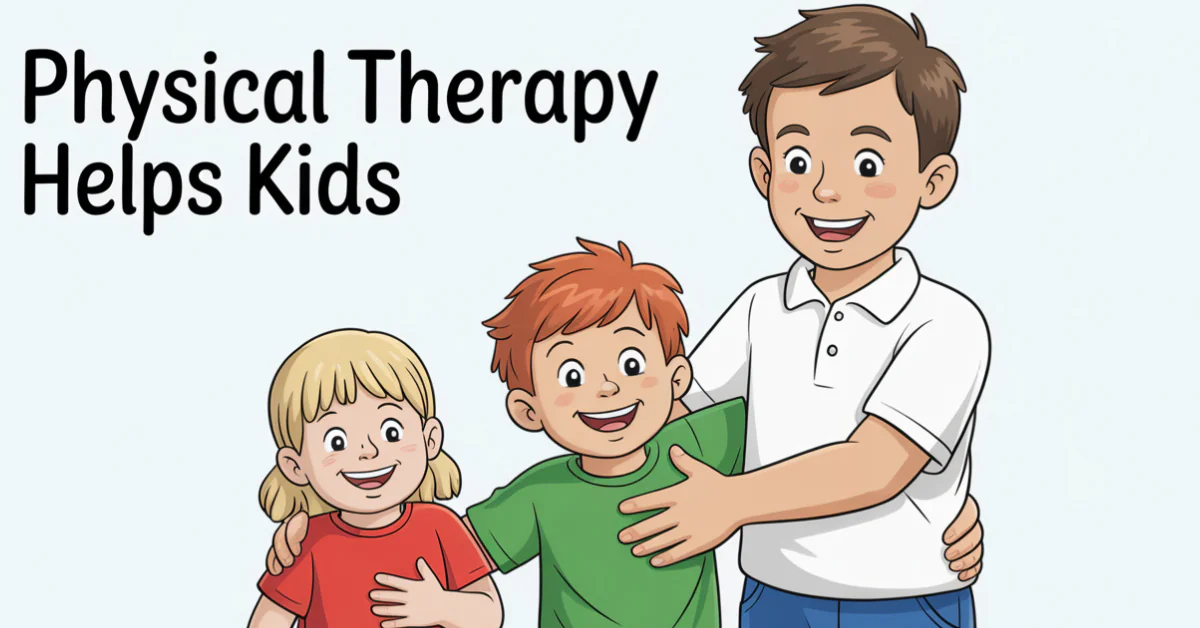
Pediatric physical therapy isn’t just about recovery from visible injuries; it’s a proactive discipline where physical therapists identify subtle impairments before they cascade into chronic disabilities. When a child struggles with coordination or shows an inability to bear weight properly, early intervention through physical therapy helps kids prevent long-term complications that hinder their ability to participate in ordinary school activities.
What most doctors miss isthat developmental delays often masquerade as behavioral problems. Yeta pediatric physical therapist can determine whether muscle weakness or range-of-motion limitations are causing developmental milestones to fall behindappropriate ages. These professionals work by evaluating not just visible symptoms but hidden movement inefficiencies, analyzing how a baby compensates when turning their head exclusively to one side, or why walking on toes persists past toddlerhood.
The goal isn’t merely to help children complete isolated tasks but to develop comprehensive gross motor skills that support brain connectivity, ensuring they can run, climb, and eventually manage complex physical activities like catching or jumping without putting unnecessary stress on developing joints.
Through individualized plans that incorporate play-based techniques using weighted balls, swings, and obstacle courses, therapy becomes an environment where kids actually want to engage, making progress feel less like medical treatment and more like natural play. Beyond addressing conditions like Cerebral Palsy, Down Syndrome, muscular dystrophy, scoliosis, torticollis, spina bifida, or Erb palsy, these interventions restore fundamental confidence that ripples through socialization, helping children join peers without the pain or difficulty that once limited their daily activities.
When You May Need Physical Therapy
Parents often notice subtle signs that something feels off, maybe their child struggles with climbing playground structures or avoids running when peers engage in active play. Physical therapy isn’t just for recovery following surgery or treating obvious injuries; PTs work with kids who experience movement challenges from genetic disorders, developmental delays, or chronic illnesses that gradually affect their abilities to complete age-appropriate activities.
Whether it’s an infant with torticollis causing head positioning issues, a teen managing scoliosis-related back pain, or a young one with Cerebral Palsy needing support to develop motor skills, seeking medical advice early protects against future complications. Physical therapy helps kids regain lost function after brain injuries, strengthen weakened muscles from muscle disease, and learn safe, efficient movement patterns despite birth defects like spina bifida or Erb palsy that cause nerve damage.
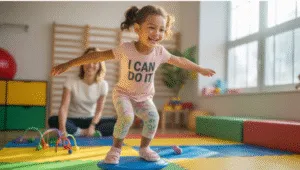
Pediatric physical therapists customize intervention plans through focused play activities, such as bouncing balls, navigating marked lines on the floor, or aquatic therapy, making sessions feel less clinical and more like genuine fun. Physical therapy helps kids improve their balance, coordination, and core strength while teaching families preventive strategies, ultimately helping children continue to live actively, make friends, participate in extracurriculars, and develop healthier habits throughout life.
What You Can Expect During Pediatric Physical Therapy
When parents ask for recommendations about pediatric physical therapy, they should understand that sessions typically focus on assessing flexibility, checking posture, and gait analysis before therapists develop an individualized, effective plan.
The PT will evaluate your child’s muscle strength, endurance, and motor milestones while completing various activities that may incorporate play therapy for kids to make sessions fun and engaging, helping children feel more comfortable as they work with their physical specialist.
Pediatric physical therapy helps kids learn to complete movements through repetitive exercises and developmental skills exercises, which promotes an active lifestyle while addressing physical limitations that might impair functions or decrease their quality of life, and pediatric physical therapy helps kids continue practicing efficient body mechanics, whether they’re rehabilitating from injury or managing chronic conditions.
How Physical Therapy Supports Your Child’s Development?
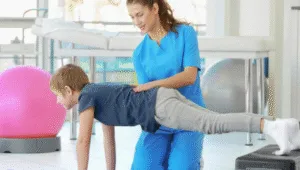
Physical therapy helps kids by addressing developmental delays that occur when children don’t reach certain milestones within the expected time frame, whether it’s lifting their heads, rolling, crawling, or walking independently.
Through developmentally appropriate exercises, toys, and games, therapists help children with muscle disease, genetic disorders like Down Syndrome, birth defects, scoliosis, torticollis, and chronic pain reduce symptoms while building strength, flexibility, and motor control. Early intervention therapy for children who experience overuse injuries, head injuries, or muscle and bone injuries becomes incredibly beneficial as physical therapy helps kids.
Restore their full range of motion, improve posture, increase muscle tolerance for daily tasks, and learn to use their body more efficiently, preventing unnecessary stress on joints, ligaments, tendons, and bones that are still developing ultimately helping them feel safe, comfortable, and happy while promoting independence and ensuring they can function independently at home, school, and during fun activities with peers, friends, and family.
Repetitive Strain Injuries
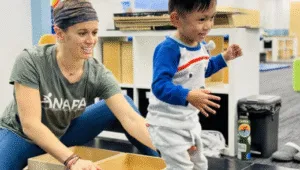
When children repeatedly use the same muscle groups without adequate rest, muscle fatigue and tissue breakdown occur, making them vulnerable to injury that can limit their ability to play and participate in daily activities they once found fun.
A skilled physical therapist will evaluate the specific movement patterns causing strain, then develop a personalized plan to help reduce inflammation while teaching proper body mechanics that prevent future damage.
Through exercises focused on building balanced strength, improving flexibility, and restoring full range of motion, kids learn to manage their recovery process and gradually return to sports or hobbies with reduced risk of re-injury.

Healing From Musculoskeletal Injuries
When children face repeated stress on their bones, ligaments, and tendons through athletic pursuits or daily activities, overuse injuries naturally occur. What many parents don’t realize is that these injuries typically start as mild discomfort that can gradually worsen if left unaddressed, especially since young individuals have bodies that are still developing and require specialized attention.
Physical therapy helps kids by ensuring these joint issues heal properly through early intervention, while treatment for children with trauma addresses both the physical recovery and emotional aspects of experiences involving muscle damage.
Pediatric medical care focuses on treating these conditions before they potentially prevent normal bone growth, helping young athletes and active children’s systems become healthier and avoid long-term complications when they get medical attention at the first signs of trouble.
Challenges in Developmental Milestones
When a child shows signs of developmental challenges, watching their development becomes a source of attention for concerned parents who notice their little one struggling to accomplish what other children experience naturally.
Physical Therapy becomes an excellent treatment option that goes beyond simple milestone tracking it’s about understanding how each child develops through various needs while looking at specific areas where they might need support, whether that’s learning to sit up, mastering how to crawl, or building confidence to walk.
The benefits extend far beyond motor skills alone, as trained therapists work with families to increase a child’s independence through evidence-based practices that address everything from muscle coordination issues to balance challenges in little ones, ensuring each session is designed to meet them exactly where they are in their unique journey.

Conditions Affecting the Muscles
When muscle weakness from disease begins to limit daily function, physical therapy helps kids regain mobility through strengthening and movement strategies that restore independence.
Pediatric specialists evaluate each condition using evidence-based practices, then teach families how stretching exercises and repetitive training can help the body adapt, increase range of motion, and manage symptoms while promoting safe posture and motor control.
The goals aren’t just about building muscle back, they’re about helping children learn efficient movements that prevent pain, improve function in various situations, and ensure they feel comfortable using their body for everything from crawling to walking independently.
Inherited Conditions
Genetic disorders often create structural differences in how a child’s body functions, sometimes leading to muscle weakness that gradually weakens their ability to perform everyday tasks with ease.
When genes trigger cell structure changes or neuromuscular diseases emerge, doctors typically recommend early intervention where therapists work to increase a child’s strength through exercises that help them maintain better posture and prevent further decline.
Specialized care proves incredibly beneficial as it addresses not just physical fitness but also supports emotional health and social health, ensuring these children can adapt at school, with peers, friends, and family, while building the skills needed to complete daily tasks independently, because physical therapy helps kids overcome challenges that might otherwise decrease their mobility and limit their potential to thrive.
Conditions Present at Birth
Birth defects often cause structural problems that affect how a child can move, and while some conditions might seem mild, they can show up as challenges when kids try mastering the same tasks their peers accomplish effortlessly. Physical therapy helps kids navigate these obstacles by addressing issuessuch as ligament looseness or low muscle tone, which can lead to movement inefficienciesand even foot pain if left unmanaged.
Through developmentally appropriate interventions that involve active stretching, developmental skills exercises, and learning how to manage their bodies with efficient strategies, these young individuals reach their milestones, whether it’s sitting up, holding objects, or eventually walking by practicing techniques that avoid putting unnecessary stress on vulnerable joints while building the strength and tolerance needed to function independently across different environments.
Abnormal Spinal Curvature
When spinal curvature twists beyond normal degrees, physical therapy helps kids develop strengthening routines that improve postural awareness through repetition, allowing them to bear weight more evenly while lifting objects or supporting their own frames during daily tasks.
Building core stability safely becomes essential, as teens often develop compensatory patterns that increase asymmetry, sometimes requiring passive stretching alongside dynamic exercises that activate deep stabilizers, helping youngsters stand taller without conscious effort.
Treatment planning must consider how loose ligaments or underlying conditions might impact progression, ensuring each session uses evidence-based practices to address muscle stiffness before joint contractures limit mobility, while families learn home strategies that promote independence as their child continues toward skeletal maturity.
Abnormal Neck Position
When infants display restricted neck rotation or persistent head tilting toward one side, Physical Therapy Helps Kids addresses these muscle challenges through specialized manual techniques and positioning strategies.
Physical Therapy Helps Kids through systematic stretching protocols that increase cervical muscle length while building foundational strength in weakened neck musculature, allowing youngsters to achieve midline head alignment and symmetrical movement patterns independently.
This therapy approach prevents secondary complications like plagiocephaly or asymmetrical motor development, ensuring these young patients reach age-appropriate postural control milestones through consistent therapeutic intervention and home exercise programs that parents can implement between clinical sessions
Long-Term Pain
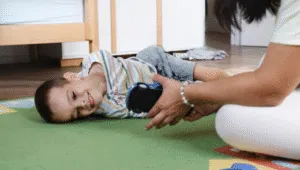
Chronic pain often forces young individuals to lose their natural ability to engage in rolling, jumping, or even catching objects during play, which represents a significant delay in their developmental trajectory. Physical therapy addresses this condition through targeted treatments that focus on pain management while helping children recover normal movement patterns.
Therapistsuse techniques like massage, heat therapy, and compression to relieve discomfort as part of comprehensive care that considers both immediate relief and long-term mobility. The experience of working through chronic pain teaches young patients to improve their relationship with their bodies, building familiarity with what helps versus what irritates their condition, ultimately allowing them to continue participating in age-appropriate activities without being limited by persistent discomfort.
FAQs
Q: When should I consider physical therapy for my child?
Physical therapy might be needed when your child shows certain signs like unusual legs movement, struggling with reaching or grabbing objects, or experiences difficulty with mobility sometimes a doctor will notice these important developmental gaps during routine medical checkups.
Q: What conditions benefit most from pediatric intervention?
Children with genetic disorders like Down Syndrome, muscle disease such as muscular dystrophy, birth defects affecting the cord or nerves, torticollis causing neck tilt, and scoliosis with spine curve issues can help prevent disease progression through specialized intervention each case requires individual assessment based on whether decreased function affects upper extremities, posture, or breathing.
Q: How does therapy address recovery needs?
For recovery from muscle and bone injuries or head injuries, therapists use heat, cold, ultrasound, electrical stimulation, braces, rest, ice, and elevation to heal inflammation while working to rehabilitate gross motor skills that were lost or show impaired function the ability to turn side to side, bring the chin to chest, or lift while lying on the stomach often returns through complete training.
Q: What happens during typical sessions?
Expect a variety of treatments, including medicine, heat therapy, neck collar support, exercises for cardiorespiratory health, and activities using toys, games, ladders, and slides to make sessions engaging.Therapists evaluate circulation, work on proper weight shifting techniques, practice creeping, sitting, rolling, standing, walking, and throwing skills while addressing joint contractures before they require surgical intervention.
Q: Where can families access these services?
You can find qualified therapists at hospitals, private practices, fitness centers, rehabilitation facilities, and research facilities. Contactyour medical insurance provider to understand coverage, and therapists often consult with team members from psychology and school personnel to create an individual education plan (IEP,) ensuring your child stays happy and attends sessions that feel more like play than work.