Books on Christian Parenting That Transform Family Life

Books on Christian parenting

Parenting is not easy nowadays. That’s why books on Christian parenting books are so important for families. They assist parents in molding children with good faith and values. These books lead you through contemporary issues.

They remind the parents that love, discipline, and faith should go hand in hand. You are not simply bringing a child up; you are making a soul. The books will make your home quiet and Christ-oriented when the world around is noisy and busy.
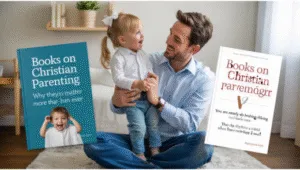
Books on Christian Parenting: Why They Matter More Than Ever

2. Biblical Truths at the Core of Books on Christian Parenting

The majority of Books on Christian parenting are constructed on ancient biblical realities. They employ Proverbs 31, Ephesians 6, and Psalms 118 to disciple and love.

They demonstrate the use of Scripture in everyday situations of parenting. Fixing gracefully. Patient teaching. Christ-like listening. These books not only offer guidance, but they also refer to Jesus as the ideal parent. Through his love and truth, we are raising our children. The Word of God is never-changing. It is this truth that is focused on in these books.

3. Key Values Taught Books on Christian Parenting

The top books on Christian parenting focus on obedience, kindness, prayer, and heart transformation, not just behavior control.

They bring children to teach how to follow not only parents, but God. Parents also get to know how to pray with their children, how to establish trust, and deal with anger without screaming.

Books assist you to lead not by fear, but by faith and wisdom that goes with every season.

Key Values Taught in Christian Parenting Books

4. Top Recommended Books on Christian Parenting

Shepherding a Child’s Heart by Tedd Tripp is one of the outstanding books a parent ought to be familiar with. It aids you in training the heart of your child, not just his/her habits.

  • Parenting: 14 Gospel Principles by Paul David Tripp reminds parents that they should not depend on guilt, but rather, they should depend on grace. It is an ideal one at every stage.
  • Age of Opportunity is wonderful when it comes to parenting teens without being controlling. These are credible, Bible based books authored by real-world parents and pastors who understand, and they often include inspiring Christian parenting quotes that reinforce their teachings.

5. Right Books on Christian Parenting for Your Family

Not every Christian book of parenting is similar. Some are most suited to young children, and some to teenagers or blended families. Pick what suits you. Consider what you need the most. Are you unable to be disciplined, connect, or pray? Choose a book that speaks up.

And then there is the tone as well. Others are soft and story-like books. Others are less subtle in theology and practice. Begin with a suitable book. Then expand your library with your parenting experience.

6. Applying Christian Parenting Books in Everyday Life

The initial step is reading, the next is the part where the change comes in, living it out. Books provide you with skills, habits that change. Use one new idea per week. Experiment with your child and pray with them before they go to school. Use Bible truths at dinnertime, bedtime, or playtime. Talk of faith is part and parcel of everyday conversation and not just on Sundays.

The greater that you live the lessons, the more your home becomes representative of the love and peace of Christ.

7. Teaching Discipline Through Faith and Grace

Discipline does not deal with punishment; it is training. This balance with love and limits is taught in good Christian books. Learn how to rectify the behavior using soft stern words. Nor in anger, but to direct the heart. Grace-based discipline transforms children’s reactions. They do not feel scared; rather, they feel seen and safe.

Books assist parents to be tough, just, and centred on rearing godly character.
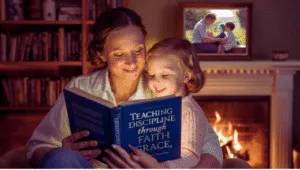
Teaching Discipline Through Faith and Grace

8. The Role of Prayer and Scripture in Christian Parenting

Your hidden power is prayer. Christian Parenting is a book to remind parents to take their children to prayer every day. They demonstrate the way to pray not only for your child. Scripture memory plays a crucial role, too. Using books, Bible verses, and truths to be memorized by the children can be creatively taught.

Prayer and the Scripture, when combined, provide the solid ground that every Christian household requires.

The Role of Prayer and Scripture in Christian Parenting

9. Christian Parenting for Single Moms and Dads

It is not an easy task to go on as a single parent. God is there with you. Books on Christian parenting offer special strength for single parents. They give you straightforward support, hope stories, and biblical promises when you feel lonely. You will get how to establish habits, provide discipline, and create happiness when parenting is hard. It suffices that God’s grace. And these reads will remind you that He completes the gaps with love.

10. Encouraging Fathers Through Christian Parenting Books

Books on Christian parenting belong to both parents; the dad is an influential person. There are numerous books addressing dads with the aim of making them become leaders with regard to faith. Books such as The Intentional Father by Jon Tyson guide men on how they can raise both sons and daughters with authority and gentleness.

These books spark fathers to understand that their presence counts. Whether it is at bedtime devotionals or at weekend devotionals, through their daily decisions, dads can be a demonstration of the love of Christ. Books make the fathers lead with grace, patience and courage.

11. Christian Parenting Books That Help Heal from Past Trauma

Other parents have pain that they experienced during their childhood. Books such as Parenting from the Inside Out (by Daniel J. Siegel) and Safe House (by Joshua Straub) teach moms and dads to break generational cycles.

Christian parenthood does not start with perfection but with giving it over. These books take parents through the healing process of emotional wounds using Scripture and prayer. They impart the ways to love the children without transferring the pain of the past, and since the mended heart creates space for the mother with grace, then it does.

. Christian Parenting Books That Help Heal from Past Trauma

12. Devotional Books for Daily Christian Parenting Encouragement

Devotional-style parenting books come to your rescue by serving you a piece at a time. Read a small part every day, and they will bring wisdom and peace to you. The devotions that are offered are based on either conventional parenting or step-parenting books; besides, you can pick and choose.

The Mom Heart Moments by Sally Clarkson and Parenting with Scripture by Kara Durbin are proposed books. They are a relaxing time out for the busy moms and dads. They allow remembering the Word of God in the midst of turmoil in life. They can be read by their selves or their spouse.

13. Christian Parenting Books for Raising Boys and Girls Differently

Boys and girls develop, behave, and act in different ways. Due to this, a lot of books discuss parenting that is congruent with gender. The most obvious is a set about Raising Boys and About Raising Girls by Dr. James Dobson. Christian parents cannot afford to miss such books.

Both of them describe how boys and girls may have extra strengths and experience some challenges. The author combines psychology, faith, and everyday examples to guide children to biblical manhood or womanhood with assurance and clarity.

14. Using Christian Books for Family Bible Study

Books on Christian parenting about Christianity are not only meant to be read by adults on their own. They are capable of holding family Bible studies, too. Books like Indescribable: 100 Devotions About God and Science by Louie Giglio, or The One Year Book of Devotions for Kids, have the capability of starting fun, faith-filled conversations.

The other way of modeling parenting is using parenting books as devotionals: do this to demonstrate that faith is dynamic and done on a daily basis at home. The discussion questions, memory verses, and stories create a level at which the entire family can grow up in Christ through these books.

15. Final Thoughts: Growing a Godly Family One Page at a Time

Faithful rearing of children requires prayer, persistence, and patience. The right books on Christian parenting help you walk that path with wisdom. They walk you through all the phases and ages, providing tranquility when the path is tough. Whenyou have the truth of God and a heart to develop, you are never a single parent. Such books have it with you as your faith companions.

One chapter, one prayer, one dialogue at a time, you are building a Christ-honoring home.

FAQs

1-What’s the best age to start using books on Christian parenting?

Begin as young as you can. Even children’s books that specialize in pre-reading toddlers can help you.

2-Can these books contribute to solving discipline problems?

Yes. Many educated disciplinary practices are love-based, rather than fear-based or discipline-based.

3-Do teenagers have Christian books about parenting?

Absolutely. Books such as Age of Opportunity are created especially to orient teenagers within the framework of faith and knowledge.

4-How many times must I read the Christian parenting book?

Put it in routine. Only a single daily read has a new perspective and calm.

5-Can I find software or tape recordings?

Yes. Most of such books are issued as print books, ebooks, and audio files, which can be studied anywhere, most flexibly.


Step Parenting Books That Transform Blended Family Dynamics

Step Parenting Books

Blended families come in with love, change, and adjustments. The books on step parenting are important resources, which provide relief and wisdom.

They assist you to learn the roles, expectations as well as to develop strong relationships. Such books blend professional advice and actual life experience. They tell you: every blended family has problems, and you can achieve success.

. Step Parenting Books: The Ultimate Guide to Thriving in a Blended Family
Step Parenting Books: The Ultimate Guide to a Blended Family

2-What Are Step Parenting Books and Why They Matter

  • Blended Families in Contemporary Society

Blended families are in fashion nowadays. Family changes are brought about by divorce, remarriage, and cohabitation. There is a possibility that stepparents feel lost without precise instructions. Step-parenting books help define roles and relationships. They assist with changeovers.

  • Provide Guidance and Comfort

Stepparents also experience a kind of feeling of being a stranger at home. The books contain real-life experiences and equipment that bring comfort. They tell you what to anticipate as well as what is normal. You get to know how to interact without imposing on anybody. And you know: you are not alone with this process.

What Are Step Parenting Books and Why They Matter

3- Major Step Parent Problems

  • Fighting with authority and acceptance

You do not enter a place just by entering the house, but also your emotions and the past. Children can be opposed to or faithful to their natural father or mother. Step-parenting books guide you on building respect gradually. They train you to be strong, but patient, and as you keep earning trust.

  • Dealing with Emotions and Expectation

Step-parenting books are an emotional drain. You may experience tension, rejection, or confusion. Books make you live up to your expectations as well as those of others. They teach you to put limits and live with ups and downs. Those are the wisdom that leads to clarity and peace.

Major Step Parent Problems

4- How Step Parenting Books Help Navigate Challenges

  • True Life experiences and professional tips

The most excellent books have a combination of heart and practical resources. The true stories cause you to feel seen and heard. Professional training provides you with structures. The combination helps you at the emotional and strategic levels. On every page, you are given hope and direction.

  • Developing Emotional Intelligence and Patience

A step-parent requires emotional consciousness and control. Books explain to you how to identify triggers and emotionally move about them. You receive education in listening skills and emotional control. As you practice, you develop patience- and closer family relationships.

How Step Parenting Books Help Navigate Challenges

5- Top Step Parenting Books for Every Stage

  • Step Parenting Books for New Stepparents

You are just a starter? Start with books that focus on backgrounds, such as The Smart Stepfamily and Stepmonster. These take you through the day-to-day life and the basic feelings. They are warm, pragmatic, and encouraging.

  • target Teens and step-parenting

Teenagers present special problems. Books such as Blended Families go into teenage behavior, discipline, and independence. They guide you into the aspect of how to balance participation with respect. It is a guide to more difficult teenage years.

6-Choosing the Right Book for Your Journey

  • Major Issues to Keep in Mind When Purchasing

Find the right book that fits your level- new, merging, or long-term family dynamics. The tone can be considered: personal narratives against evidence-based tools. Consider your needs. Do you need discipline suggestions, support emotionally, or an identity as a step-parent? Everybody’s free to give reviews that can guide your choice.

Personal accounts against professional advising

Reading personal stories is comforting and familiar. Professional advice is organized and mature. The reader loves the best books that have a mixture of both. They provide you with an equal heart and head.

7-Benefits of Reading Step Parenting Books

  • Support and Cheering

Stepparenting may be a lonely role to play. Such reading provides companionship and hope, where you can learn that you are not the only one who has suffered. Success stories make you confident when you read. They tell you to be patient, or rather to be optimistic.


  • Building Communication and Conflict-Resolution Skills

One of the biggest challenges of a stepparent is miscommunication. These books demonstrate to you how to keep your ears open and speak in a nice way. They use such conflict management techniques as I-messages and guided conversations. Those skills create a chance to change the tension into knowledge.

Benefits of Reading Step Parenting Books

8- Applying Step Parenting Books Lessons in Real Life

  • Applied Measures of Daily Interactions

It is simple to read. The true test comes down to living it in life. Make small variations in life and behavior first- listen more, don’t react. Test a book tip a week. All those small transformations end up generating enormous trust.

  • Creating a Healthy Blended Family Environment

Connection begins in a peaceful home. To implement family routines and feel safe, use books. Make clear rules in a kind way. Be excited about even the smallest of victories. That creates unity and affection.

9- Mistakes to Avoid as a Stepparent

  • Attempting to substitute the biological Parent

You do not find competition with a biological parent. There is a tendency that pressure drives the kids away. Be a caring adult of your own kind. Allow the relationship to develop in its due course, not through compulsion and not through obligation.

  • Disregarding Your Mental Health

Stepparents do much, however, leave self-care aside. Take care of yourself before burnout sets in. Rest a lot, ask for help, and take a break. Books will make you find a balance between taking care of the family and taking care of yourself.

10- Using Step Parenting Books with Therapy

  • When To Get Therapy or Counseling

Some problems cannot be solved in a book. Pain, confusion, and conflict can be unpacked in therapy. Employ books as supplements but not substitutes for therapy. Each of them alone is not enough to make changes that will be carried out in the long run.

  • Tools to Success

Insight comes through books. Practice is provided by therapy. Combine them to have more powerful findings. Tell your therapist about what you read. They will assist you in using those lessons in practical life scenarios.

11-Impact of Step-Parenting Books on Kids

  • Assisting Kids to be Safe and Visible.

As you flourish, the children gain. Books will tell you how to engage them at their emotional level of emotions. Trust is created by such safety. Children love consistency and love on the part of their stepparents.

  • Teaching of Respect and Healthy Boundaries

Books on Christian parenting will provide information about the age-specific boundaries. Respect goes up and down. Discipline children by being soft and strong. The latter would make them feel that they are unheard rather than under control.

Impact of Step Parenting Books on Kids
Impact of Step-Parenting Books on Kids

12-Digital vs. Physical Step Parenting Books

  • Which Format Works Best?

Others like to hold the book. Some people are fond of reading tablets. Both styles are favorable. Select what is best suited to your way of life. It is all about consistency and not the platform.

  • Using Parenting Audiobooks Wisely

This is not the subject of discussion, but parenting audiobooks may help you with reading. Hear on the walks or at work. Choose familiar titles. They are a handy supplement and not an alternative.

 Digital vs. Physical Step Parenting Books
Digital vs. Physical Step Parenting Books

13- Building a Support Network Through Books

  • It Connects and Develops When Reading

Reading alters a lot of step-parents who feel lonely. You will find common grounds and suggestions. Books will get you in touch with a bigger, compassionate community, however silently.

  • member of Book Clubs and Online Groups

There are Facebook groups or discussion forums for some books. Join them. New ideas are provided through discussing chapters with others. You will feel supported, laugh, and possibly even get new friends.

14- Inclusive Step Parenting Books Matter

  • The representations of any type of family

Families of different kinds should be represented. Seek LGBTQ+, multicultural, and non-conventional books. They are more realistic and helpful in advising you.

  • Creating Empathy by Representing

Emotional investment is developed by reading about a family that is different than yours. It makes you know what other people experience. Such consciousness enhances your parenting and builds the values of your family.

15- Final Thoughts: Empowering Your Journey

Step parenting books are not an easy job; nevertheless, the steps are worthwhile. With the proper step parenting books, you are not stepping into the dark that you are sprouting. These books, along with Chelsea-Acton-famous-parenting-tips, will transform you into a heart-centered leader, a calm person, and a person who will have strong bonds with their family members. Continue reading, continue loving, and continue reading.

FAQs

1-Which book can a first-time parent read?

The Smart Stepfamily by Ron L. Deal is a good beginning in black and white of advice and encouragement.

2-Can step-parenting books fix family problems?

They are a useful aid, yet not by magic. Be patient with them, communicate with them, and occasionally, consider therapy.

3-Can books also be good for co-parenting?

Yes. Most of them feature advice about how to treat ex-spouses, how to resolve loyalty dilemmas, and combined timetables

4-Shall I read alone or together with my partner?

Reading with your kids can improve your parenting strategy. Chapters discuss being on the same page.

5-Should I re-read a step-parenting book so many times?

Your quick visit should be to the important sections. When your family grows, your outlook is changed- and so will the lessons.

Parenting Audiobooks That Transform Your Family Life Forever

Parenting audiobooks

Most parents are very busy in our modern world, and they cannot take their time to read books. However, it is important to learn how to be a better parent.

This is the point where parenting audiobooks enter the scene. You will be able to learn and listen to these audiobooks through simple daily activities. It could be cooking, driving, or even walking the dog, but you are still able to develop as a parent.

We will have a closer look at how parenting audiobooks might benefit you, what makes them one of the most effective tools, and what the best ones are to begin with.

Parenting audiobooks

What Are Parenting Audiobooks?

Parenting audiobooks refer to audio recordings of people in literature that provide parents with advice on how to raise their children. They are constructed to benefit those who enjoy listening. You can listen to them either on your phone or on a computer, or in a car. There are shortbreads. Some of them are lengthy and elaborate. They are all geared to make you a better parent.

They discuss so much:

  • Discipline children in love. How
  • Ultimately, training kids in being nice and respectful
  • Emotion management in children
  • Establishing a better family connection

Parenting experts, doctors, and even other parents, having learned through hard life experience, teach these topics.

Why Parenting Audiobooks Are So Useful

Listening to parenting audiobooks can change the way you see parenting. Here’s why they work so well:

1. You Can Learn Anytime

There is no need to reserve your time for silent reading. It is possible to learn in the process of:

  • Washing dishes
  • Folding clothes
  • Sitting in the traffic
  • Exercising

This implies that you are studying even without sacrificing your hectic schedule.

2. They Fit All Learning Styles

Some individuals are better learners when given audio. Parenting audiobooks are more beneficial to them than reading. There is even a chance that the voice of the narrator makes you feel more related.

3. Real-Life Parenting Tips

These audiobooks not only provide theory. They provide illustrative examples and stories. You will get to know what worked with other parents and what did not work.

Parenting Audiobooks for Every Stage of Childhood

Let’s break down great options based on your child’s age group.

1. Audiobooks for New Parents

You want good, sensible, undisturbed counsel, perhaps, since you have a baby just born. Seek such audiobooks as:

  • The book, Bringing Up Bebe by Pamela Druckerman, teaches the French parenting style.
  • Harvey Karp, the Happiest Baby on the Block -simple advice on how to soothe your baby.

These audiobooks use simple words and gentle tones. Great for new moms and dads who are tired but eager to learn.

Audiobooks for New Parents

2. Audiobooks for Toddlers and Preschoolers

It is a phase of tantrums and exploration. Try:

  • No-Drama Discipline by Daniel Siegel and Tina Payne Bryson -Tells how to manage behavior without raising the voice.
  • Joanna Faber, How to Talk So Little Kids Will Listen – How to communicate the easy and entertaining way to use with toddlers. These parenting books for toddlers challenge learnt experiences. They also assist you in developing trust in your young child.

3. Audiobooks for School-Aged Children

Children develop quickly and encounter emerging issues. You may assist them in the following way:

  • Parenting with Love and Logic by Charles Fay – Assists you in making your child responsible.
  • The Whole-Brain Child by Daniel Siegel teaches us about how a child’s brain works.

These books, in the form of an audiobook on parenting, are intelligent yet straightforward. Even the large ideas are explained in a simple way.

Audiobooks for School-Aged Children

4. Audiobooks for Teens

.When teens come, they come with new concerns. The following books may be useful:

  • Untangled by Lisa Damour– Learn the emotional life of girls.
  • He is Not Lazy by Adam Price– The best ways to keep the boy motivated.

The teen years do not need to be made up of fighting. These audiobooks demonstrate how to direct teens respectfully without taking shortcuts by giving them time to grow up

Audiobooks for Teens

Best Features to Look for in Parenting Audiobooks

Parenting audiobooks are not similar. Make sure to look out for and verify the following features before selecting one:

1-Transparent and Convivial narrative

The difference in voices can be huge, and it should be a kind and understandable voice. You are going to be more involved.

2-Simple Language

Good audiobooks do not use hard words. They can talk in a manner such that even a child in the 1st grade can comprehend.

3-Real Examples

Examples of real life and stories are useful. You will find how advice is used in real life.

4-Short Chapters

The most appropriate length of a chapter is between 5-10 minutes. It is quite easy to stop and resume without losing your track.

Where to Find the Best Parenting Audiobooks

Parenting audiobooks are available online; there are thousands. The best ones are:

  • Audible (by Amazon) –The biggest library of audiobooks
  • Google Play Books – Android simple to use Google Play Books is simple to use on Android phones
  • Apple Books- It works fine on iPhones and iPads
  • Scribd- A monthly fee that provides unlimited access
  • Spotify –Some of the services that do not cost anything

Most of them are free trials. Therefore, you may go through some parenting audio books, and then purchase.

Where to Find the Best Parenting Audiobooks

How Parenting Audiobooks Improve Your Life

These audiobooks can be profound when one listens to them. Here’s how:

1. More Confidence

As a parent, you will feel more powerful. Certainty on what actions to take during difficult times is a relief.

2. Better Communication

You can learn how to speak to your children lovingly but clearly. This creates credibility.

3. Less Stress

You will remain calm when you know how to deal with problems. Less stressful parenting occurs.

4. Stronger Bonds

You will relate more to your children. and they will feel secure and appreciated, and loved.

Can Audiobooks Replace Parenting Classes?

It can! Yes, to a great number of working parents who are too busy. Parenting classes are time-consuming and costly, but audiobooks are convenient ones, and they are free to test. They offer professional guidance at your convenience. You can listen to it as many times as you need, and nobody judges you when you are forced to pause and return to one of the chapters. It is an in-pocket classroom!

What Do Real Parents Say About Audiobooks?

A lot of parents indicate that they do not feel alone due to audiobooks. They remark that now they understand the behavior of their child, or know how to communicate with him more effectively. There are even stories about how one audiobook helped one save a night or a bad morning. As real feedback demonstrates, audiobooks offer valuable insights into modern vs traditional parenting approaches, providing more than just notification.

What Do Real Parents Say About Audiobooks?

Do Parenting Audiobooks Actually Work?

According to research, people retain more from what they hear than what they glance over. You don’t read step-parenting books, you experience them. The tone and the pace at which the narrator relates the story, the emotion he gets across, can help make the lessons more memorable. On top of that, being relaxed while doing something makes your brain more receptive to learning.

Mistakes to Avoid When Using Parenting Audiobooks

Audiobooks do not all fit all people. This should be avoided:

  • Selecting books that are difficult or tedious in language
  • Chapter hopping and un-completion of the book
  • It does not feel right- listen to your gut- stop and start again otherwise
  • Listening speedily and forgetting the main ideas

Select books that are appealing to you and your ideals. It is not bad to make some experiments before getting the correct one.

FAQs

Q1. At what age should someone in listening to audiobooks?

They are used in all ages- even on newborns up to teens. You will get one that suits your child at a particular stage.

Q2. Do parenting audiobooks have an advantage over reading?

Yes, in the case of busy parents. You are able to study without hands and even on the move without having to find time to read.

Q3. What is the length of the majority of parenting audiobooks?

Most of them are 4-8 hours, although there are shorter stories. Search through the short chapters, which you can pause and resume.

Q4. Are parenting audiobooks substitutes for actual parenting classes?

Yes, in a great number of respects. They provide professional guidance, real-life examples, and are more adaptable.

Q5. Can one get parenting audiobooks for free?

Some are! Some of them even allow you to have free trials or a free version of their services, such as Spotify or Audible trials or the app of your local library.

Final Thoughts

Parenting audiobooks are your good friend in the ear. They make you grow as a parent, and you do not have to read bulky books. Learning is something you can do at any place or any time. Trying to raise a newborn, a wild toddler, or a moody teen-there is an audiobook there to suit your needs. You can easily understand them, and they are full of actual advice with the willingness to cover all phases of parenting with you. The transition to a parenting audiobook is only the first step you can take to become a better parent without adding more stress to your life.

Chelsea Acton Famous Parenting Tips That Transform Families

Chelsea Acton Famous Parenting Tips

Chelsea Acton’s famous parenting tips are common by now and well-loved because of their kindness, words of wisdom, and the aspect of being practical. These tips do not come out of imagination; they are tried, lived, and recommended by parents who have good intentions towards children. We are going to enter the world of parenting as seen by Chelsea Acton and give information in this article that can be followed by every parent to create happier, stronger, and healthier families.

Chelsea-Acton-Famous-Parenting-Tips
Chelsea Acton Famous Parenting Tips

Who Is Chelsea Acton and Why Do Her Tips Matter?

Chelsea Acton famous parenting tips are neither a celebrity coach nor a scholar with elaborate theories. She is an ordinary mother who has become a popular blogger because of her down-to-earth and heart-filled parenting tips. She became popular using the internet as she shared issues in the real lives of parents and started great conversations about them. Millions of people relate to her parenting hints because they are very definite, understandable, and welcomed by every parent to learn and implement in their day-to-day life.

Chelsea Acton Famous Parenting Tips: What Makes Them Special?

Chelsea Acton famous parenting tips are unique due to their clarity, kindness, and emphasis on the emotional bond. She does not advise parents to be ideal. Rather, she urges parents to be with their children. On most occasions, what she teaches is to listen more than talk, hug more than scold, and direct rather than use coercive parenting methods.

The Power of Presence: Be There – Parenting Tips

Being there is one of the moral components of Chelsea Acton famous parenting tips. The modern world is very busy with parents. Telephones ring, workplaces need attention, and tension exists. Chelsea Acton, a famous parenting expert, explains that simply spending time together with your child can make a tremendous difference, even after just ten attentive minutes.

“You do not need to become a superhero. All you need to do is be here. That’s enough.”

The Power of Presence Just Be There

Emotional Safety: The Heart of Parenting Tips

As Chelsea Acton famous parenting tips affirm, children must feel emotionally safe to learn, grow, or listen. Her simple tools are to yell less, comprehend more, and empathize. Here is one tip about parenting that became famous because of her:

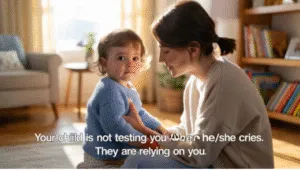
“Your child is not testing you when he/she cries. They are relying on you.”

This easy shift of mind can assist parents to react out of love and not anger.

Emotional Safety The Heart of Parenting
Emotional Safety: The Heart of Parenting

Communication: Speak So They Will Listen

Communication does not involve barking orders under Chelsea Acton famous parenting tips. It is the issue of connection. She suggests the adoption of simple words, a soft tone, and eye contact with your child when you are conversing. This develops trust and respect.

  • Easy Words Build Big Bonds

Our conversation with children should use words they can interpret.

Chelsea says:

“It is not good teaching with fear. Educate out of love.”

This would imply a friendly and easy form of explaining things, the style used when talking to someone younger and a friend.

Teach Through Example: Be What You Want Them to Be

Children do not learn through lectures but through observation. A famous tip in parenting by Chelsea Acton famous parenting tips is to be a role model. When you want your child to be kind, be kind. You must respect to be respected.

  • Actions Speak Louder Than Orders

Ches said, many times:

“Do not be loud. It is time to lift your ways.”

This tip serves as a warning to the parents that children imitate the conduct of adults. Therefore, calmness and kindness make the best lesson.

Connection Over Control: Parenting Tips

Most parents believe that they have to dominate their children. Chelsea Acton famous parenting tips is sure that the connection is more effective. A child will always tend to listen as well as be good when he or she feels close to his or her parents.

  • Replace Rules With Routines

Chelsea proposes to create soft routines instead of screaming rules. Daily activities establish security and sameness that make children feel safe.

Let Them Feel Big Feelings: Parenting Tips

The other important aspect of Chelsea Acton famous parenting tips is the right to emotional release of children. It is alright to cry. It is fine to be angry. It is only important that we go through it carefully with them.

“Your kid is not broken. They are increasing.”

This implies that we should not suppress their development of emotions, but encourage it.

Parenting Tips: Say Sorry: Show Humility

Not even parents are without mistakes. Apologizing when parents do something wrong is one of the things that Chelsea suggests parents do.

The reason is that it teaches the children a lesson in the sense that, in the event that they have stolen something, they have an opportunity to clean the slate and to see that things are set right.

“Saying sorry is to be disrespectful. You have got it”

Parenting Tips: ThePower of One-on-One Time

The matter is that just ten minutes of dedicated time will make a parent-child relationship better. Chelsea-Acton-famous-parenting-tips suggest:

  • One-on-one play
  • Silent reading
  • Chats during bedtime

This concentration sends the message to your child: You are important.

The Power of One-on-One Time

Avoid the Danish Way of Parenting

Whereas other styles, such as the Danish approach to parenting, put a great emphasis on order and self-sufficiency, the tips offered by Chelsea Acton emphasize warmth and the safety of emotions. An effective parenting style is somewhere between discipline and affiliation.

Avoid Shame: Teach With Kindness

When a child is shamed, this can result in emotional scars. According to Chelsea, discipline is not supposed to be embarrassing. Rather, do it secretly, talk gently, and clarify why things are being done

“Beat the behavior, not the soul”

Avoid Shame Teach With Kindness

Parenting Is a Journey, Not a Race

Chelsea is fond of reminding parents that children develop at their own speed. There is no need to compare your kid to anyone.

“Your child does not have to be expected to tell a story that looks like the of anyone”.

Parenting tips: Stay Curious, Not Critical

Your child misbehaves in these situations and does not go directly into anger. Ask questions. Discover what is happening. How Chelsea approaches the issue is not about punishing people but fixing problems.

Be Your Child’s Safe Place

A very moving Chelsea Acton famous parenting tips is:

“Turn down the noise outside so that the noise inside is a quiet, gentle home.”

Parents are supposed to provide the safest experience for their children. Such safety makes it sure of confident.

Celebrate Small Wins

The little things of parenting are the wins: the first word, the first please, the first apologize. According to Chelsea, these are times that count.

“Reward effort as though it were gold.”

Celebrate Small Wins

Final Thoughts: Why Chelsea Acton’s Tips Truly Work

Chelsea Acton famous parenting tips are good because of the heart and humanity in them. They make us remember that it is not controlling but connecting parenting. It does not mean to be good enough, but to be there. Her voice stands against the noise of current parenting advice and provides actual, practical assistance.

Chelsea Acton Famous Parenting Tips Checklist

This is a short tip to put on your fridge door:

  • Present, not perfect
  • speak low and soothingly
  • Speak less than you listen
  • Praise effort over results
  • Say sorry when needed
  • Lead by example
  • Connect before you correct
  • Respect your child’s feelings

Chelsea Acton famous parenting tips show us that the best parenting tool is love given daily, gently, and without limits.

“You’re not raising a child. You’re growing a human heart.”

FAQS

1-Who is Chelsea Acton, and why are her parenting tips becoming so popular?

Chelsea Acton famous parenting tips blogger and a mum, her parenting advice is true-to-life. Her tips do not lose their popularity due to their practical character, ability to support the emotional state, and concern with the construction of strong relations between parents and children.

2-How are the parenting tips of Chelsea Acton special?

Her advice revolves around being kind, emotionally safe, and present, rather than perfect. She advises parents to relate to their children instead of getting them under control by ensuring that positive reinforcement and understanding are established.

3-What does the style of parenting tips of Chelsea Acton come down to?

The point is that parenting is connectedness rather than control. Acton suggests that parents should be visible to their children, they should speak less than they listen to their children, and should not give instructions but examples.

4-How do I use the parenting tips by Chelsea Acton on the home front?

Pay attention to the presence with your child, gentle words, empathy, and focusing on praising effort instead of focusing on perfection. Model, utilizing emotional security through showing up when it counts.

5-Why should one say sorry in the parenting style of the Chelsea Acton?

Apology also teaches kids how to be less arrogant and that errors are a normal course of learning. It enhances parent-child relationships as well, and the parents respect and display emotional maturity.

What Is the Danish Way of Parenting That Raises Happy Kids

What is the Danishing way of parenting

What is the Danish way of parenting?. It is an easy, nice, and strong approach to bringing up happy children. Children in Denmark turn up to be relaxed, robust, and happy. The technique has become globalized. It assists in bonding of families, sharing, laughter, and growth.

In this article, I would like to discuss:

  • The Danish version of parenting: What is the Danish parenting style?
  • How is it so effective
  • And the way you can attempt to do it at home
  • And how to parent with grace, like the Danish do

So, we shall start this parenting of peace

What Is the Danish Way of Parenting

What Is Special About the Danish Way of Parenting?

1-Happiness Comes First

The Danish way of parenting is of the opinion that smiling children make good and strong adults. They do not push kids to be the best at school or at sports, but they promote play, creativity, and fun. This less keen strategy will make children achieve self-esteem and a liking to learn without excessive strain. There is usually a quality time together between parents and kids as they go out there to enjoy nature and its simple things. They also teach children how to get joy from small things, which allows them to stay positive throughout their whole life.

2-Honesty Is Very Important

The Danish way of parenting appreciates honesty and does not entertain a child with frightening or unrealistic stories. They like telling light but profound stories, which are lessons of life in a positive form. This will enable children to have confidence in their parents, and it will make them realize that any feeling can be normal and nothing to worry about, as we exist in a state of being happy, sad, or scared. The children are advised to communicate freely about the feelings they have, and the parents listen without criticising or lecturing.

What Is Special About Danish Parenting

Key Parts of the Danish Way of Parenting

Let’s look at the six main parts of this lovely style of parenting. The inspirations of these thoughts are based on the renowned book titled The Danish Way of Parenting, authored by Jessica Joelle Alexander and Iben Sandahl.

1-Play Is Powerful

The Danish way of parenting does not tell the child how to behave; they rather leave them to play by themselves. In this manner, children are more creative, problem-solving solving and more independent. Having fun plays a major role in learning for children.

2. Be Real, Be Honest

The Danish way of parenting encourages kids to talk about every kind of feeling, whether it is a happy or a sad one. They teach children that crying and talking about their feelings is okay, which reflects important traits of a good parent. This makes the children know how they are, which they are at ease talking about.

3. No Harsh Punishment

The Danish way of Parenting does not beat or scream at the children in Denmark. Rather, they talk in a low voice and understandably elaborate on the rules. This assists children in feeling respected, learn from their mistakes, and becoming better listeners.

4. Show Empathy Every Day

Danish mothers and fathers teach children to be concerned about what other people feel. They are nice in their daily life and assist children in viewing alternative sides of disputes. Parents instill empathy by posing questions like: How did your friend feel? This assists children in becoming sweet and nice towards people.

5. Build a Strong Bond

The Danish way of parenting also interacts with their children daily. They have dinner, play, and communicate with each other. Such incidents create a bond between them and make children feel loved and secure. They are also parenting supports.

6. “Hygge” – The Magic Word

Hygge is literally translated as a comfy, joyful period with friends or family. The Danes make hygge through the use of candles, sharing delicious food, sharing stories, or cuddling. It is convenient and it is special. Hygge is the reason why parents become less stressed out and get a chance to spend time with their children.

Benefits of the Danish Way of Parenting

  • Happy children: They smile more and stress less.
  • Better behavior: Kids learn to listen and respect.
  • Closer families: Everyone feels safe and loved.
  • Stronger emotions: Kids grow into kind adults.
  • Better learning: Less pressure means more real learning.

This style makes life softer, calmer, and richer for both parents and children.

How to Parent With Grace – The Danish Way

How to parent with grace -the Danish way

1-Speak Kindly

Speak with a low tone of voice even when your child is doing wrong. Speak in little words. Stay calm.

It will educate your child on the fact that love is never lost, even during difficult moments.

2-Listen More

It is not enough to talk. Listen to your kid. Question: How are you feeling, or what do you feel like?

That is real grace, to know without criticizing.

3-Share Joy

Laugh together. Dance. Tell jokes. Have fun games. Such occasions create good memories. Happiness is the cement of family.

4-Be Present

Put your phone aside. Study your child. Be there fully. Kids can feel when we are concerned. Presence is an expression of intense care.

5-Gentle Limits

Children should not be afraid of rules but rules. Make them know the products that are acceptable and unacceptable.

Ask questions with a Yes reply more than No.

How to Parent With Grace – The Danish Way

Simple Danish Way of Parenting Tips You Can Start Today

  • Go on a nature walk with your child.
  • Never ask your child to quit crying. Say unto them, I recognize thee.
  • Share your day with your child.
  • Have a meal together at least once a day with no phones.
  • Tell him Thanks a lot, and I love you.
  • Make a small time of coziness during the week: books, candles, and hugs.
  • Compliment the work, not the achievement. “You had worked so hard!

These steps might appear to be minor, but they transform everything.

Simple Danish Parenting Tips You Can Start Today

Real Stories: What Parents Say

Fatima, mother of 2 from Pakistan:

“After learning about Danish parenting, I stopped yelling. Now we play more, laugh more, and my daughter listens better.”

John, Dad from Canada:

“I never thought quiet talks would work better than loud ones. But they do. I see more peace in our home now.”

Conclusion: A Kinder Way to Raise Children

So, what is the Danish way of parenting? It is about raising strong, happy kids with love, honesty, and joy. It’s about playing, listening, and being kind. This way doesn’t need money. It just needs time, care, and trust. The Danish way of parenting is not perfect, but it’s gentle. It works. And it can work for you too.

Frequently asked questions (FAQ)

Q1: What makes Danish parenting different?

It concentrates on game, sympathy, and relaxed interaction. The parents do not administer severe corrections and establish good emotional connections.

Q2: Is it possible to attempt such a style when I live in a different country?

Yes! Danish parenting can be tested worldwide. It is all in your head, not in your location.

Q3: What do I do to begin parenting gracefully?

Begin with patient calmness, kindness, and attention. Keep a listening ear to your child. Be honest. Have cozy occasions.

Parent with Grace: Biblical Strategies for Transforming Your Parenting Through God’s Mercy

parent with grace

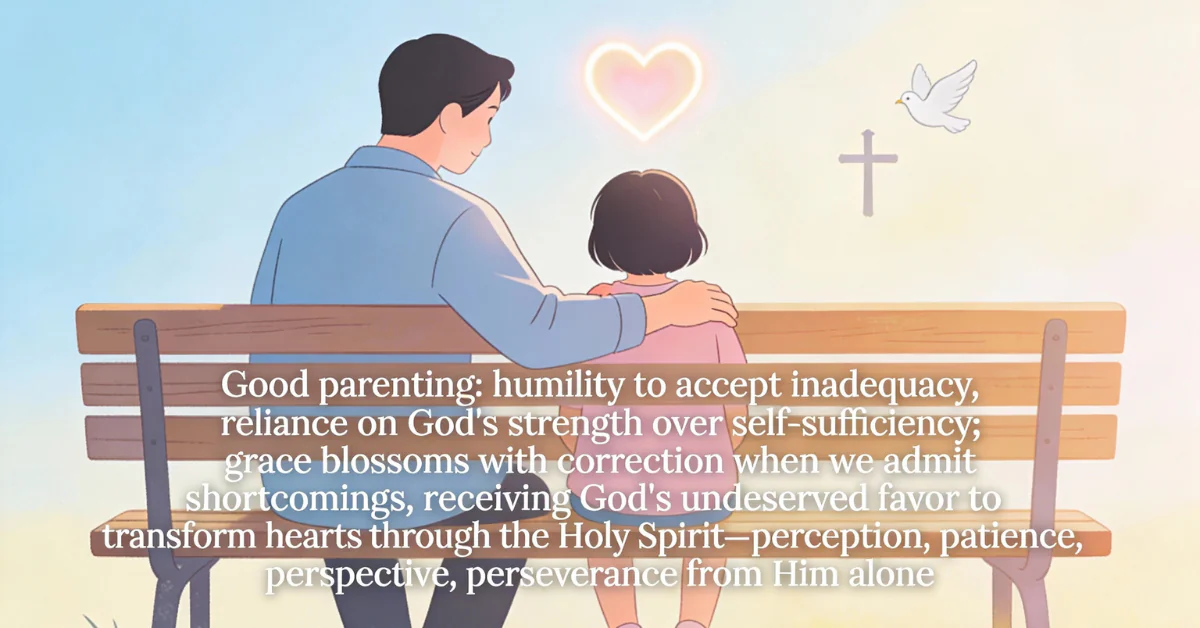
Parent with Grace. Somewhere between permissive approaches that let anything happen and hard-hearted discipline lies what good parenting actually requires: a willingness to accept that you’re inadequate and need God’s strength rather than self-sufficiency.

Parents must understand that grace isn’t the opposite of correction; it blossoms when we admit our parenting shortcomings and become recipients of God’s undeserved favour, which then flows through us as instruments of His grace toward our children.

This involves humbly receiving what we cannot achieve, the power of the Holy Spirit to transform both our hearts and our child’s heart because none of us can parent adequately through human wisdom or self-righteousness alone, and must rely on Him to give us the perception, patience, perspective, and perseverance that only God provides when we ask for help.

What Grace Isn’t / Applying Grace as a Parent

Grace-based parenting doesn’t mean we dismiss God’s Law or abandon consistent discipline; that’s a dangerous pendulum swing toward permissiveness that embitters the heart of a child. Many parents mistakenly believe showing grace requires eliminating consequences or avoiding correction, as if sin isn’t a serious offense requiring the cross and death of the Messiah.

Must remember: coercive parenting approaches that bark orders and tongue-lash children create condemnation rather than freedom, while abandoning rightful discipline denies them the knowledge of sin they need. Must embrace that effective parenting acknowledges that breaking God’s Law is a horrible thing, yet approaches weakness through patient, loving instruction rather than self-righteously screaming or slamming doors in anger.

What Grace Isn't / Applying Grace as a Parent
What Grace Isn’t / Applying Grace as a Parent

Embracing Grace

Before parents can become effective instruments of grace in their children’s lives, they must first acknowledge their own desperate need for Christ and freely receive what God extends. The reality is that self-assurance stands as one of the biggest hindrances to good parenting. Parent with Grace.

When we refuse to admit that our thoughts and actions don’t align with God’s plans and purposes, we close ourselves off from the very grace that could heal and transform us. Ask God for what you cannot manufacture yourself, recognizing that you are worthy not because of anything you have done or not done, but because God unreservedly loves you and wants to help you navigate every parenting moment.

This grace isn’t merely sufficient for your child; it’s for you too, and you must ask for it with the humility found in Hebrews 4:16, understanding that if you don’t ask, you will not receive it. What many new parents fail to grasp is that God’s grace serves as the Source that rescues you from self-centeredness and opens your heart to His transforming mercy, allowing you to step out from under impossible standards and condemnation into the freedom of being sanctified that space between what was and what will be.

Requesting Grace

Many parents fail to recognize that their inadequacies become the very reason they must actively seek God’s grace rather than attempt parenting through independent strength alone.

When dealing with challenging moments where anger or disappointment rises, the wisest response involves confessing our need for divine help before disciplining our children, a practice that transforms correction from mere punishment into an opportunity for modeling dependence on Jesus.

This approach requires understanding that self-motivated efforts to be perfect human guardians will always fall short of the mark, yet through prayerfully asking Him to pour His love and tender heart into our daily struggles, we must become instruments through which Christ-like compassion flows, even when we feel our kids don’t deserve it.

Requesting Grace
Requesting Grace

Windows for Grace / Perceiving Sin as Possibility

Parent with Grace. When sin surfaces in children, many Parents miss the profound truth that these moments aren’t disruptions but divine appointments where God orchestrates transformation. Each infraction becomes a wonderful tool for teaching about confession, seeking help, and understanding how weakness positions us to receive what we cannot manufacture independently-minded.

Rather than pushing toward mere compliant behavior, these instances restore the relationship through conversations that show how divine grace operates; you’re not meant to be something artificial but a conduit for truth. Every failure your child encounters must point them toward knowledge that change isn’t achieved through threats but through receiving unearned mercy.

The heart of the matter reveals itself: you can’t give what you haven’t internalized, so marinating in Deuteronomy 11:18 while being filled with the Holy Spirit (per Ephesians 3:16-17) must precede effective Parenting otherwise, you’re an empty image trying to dispense what you lack, which always fails because authentic grace flows from hearts genuinely changed by Grace.

Using God’s Law to Extend Grace

Parent with Grace. God’s Law must serve as more than a set of rules or a set of punishments; it must become a tool exposing our exposed need for rescue. When your eyes see a sin unfold, recognize it’s never an interruption, never an accident, or never a hassle; rather, it’s a moment where God is already working in your child’s heart.

The Christian life isn’t about demanding why they failed, it’s about calm inquiry: “What was going on in your heart?” This gospel preaching approach must transform every time you question behavior, asking, “How can I be part of what He is doing in this moment?” When your ears hear defiance or your eyes witness offense, remember He knows what’s needed and wouldn’thaveyou deal with this unless He wants you to hear something deeper.

Move toward your child, saying, “What are all the things He might accomplish here?” rather than rushing to punish. Their sin this way reveals weaknesses and attitudes that came naturally, yet because He loves them, He’s seeing (and wants you seeing) the done and wrong so You can confess together, knowing he won’t turn away. Picture yourself going down a hallway, thinking, “I want to give my child ears to hear and eyes to see greater knowledge of their heart, not just condemnation.” Their failure made you aware, but their sin is not just about offense,e it’s about cultivating greater knowledge of how He rescues you and them.

What Really Matters / Extending Grace

When Israel was redeemed from captivity in Egypt, the Law wasn’t given to achieve salvation; God had already loved them and placed His favor upon them first. His Law, actually a tool of grace, was given so they could thrive, and to remember that He wanted them to flourish, not flounder. When I lovingly enforce boundaries in my house, the Law gives knowledge of sin not as condemnation but as clarity. There’s something very different about a kid leaving their room with hands full of understanding versus walking away confused about anything they did wrong. You must recognize that correction itself must become an act of tenderness, not tyranny.

FAQs

Q: How can a parent with grace navigate daily irritations and interruptions when feeling impatient with their children?

A: Remember that Parent with Grace is freely given, not earned. Most situations requiring a change of heart become opportunities for grace rather than battles to win every time.

Q: What does it mean when we say grace isn’t just a style or technique but something we must live by?

A: A parent with grace understands they’re an instrument of transformation, not the source of change; they commit to nurturing rather than shaming, knowing God’s work of grace is progressive and takes 10,000 more moments before real insight into the heart begins to grow.

Q: Why do parents often struggle to give grace when their expectations aren’t met?

A: Admittedly, giving is easier said than done when we focus on what children deserve, yet Proverbs 4:23 reminds us to guard our hearts since everything you do flows from it, and without nurturing our own hearts through God, we deliver correction with a hard heart instead of kindness.

Q: How does understanding that transformation doesn’t happen overnight help a parent with grace during stressful seasons?

A: When you know real work of transformation happens step-by-step through faithful proceeding rather than achieving a problem-free, predictable outcome, you don’t have to carry the burden of being perfect. Watchfor how God works over the years as knowledge of right and wrong gradually sets in alongside love for authority.

Q: What gifts does grace offer when parents confess they’ve made mistakes or have regrets about things said or things done?

A: Grace provides fresh starts and new beginnings without shame or blame it’s the greatest gift that makes unknowns manageable and allows parents to selflessly share forgiveness, rescue their children from failures, and be a channel of thoughtfulness rather than someone who must live up to impossible standards while teaching their Son or daughter that love means being loved by God even while we’re imperfect (2 Corinthians 12:9).

Examples of Bad Parenting in the Bible: Powerful Lessons from Scripture’s Flawed Fathers and Mothers

Examples of bad parenting in the bible

Examples of Bad Parenting in the Bible. When we examine Biblical narratives, we must acknowledge that even heroes of faith weren’t immune to parenting mistakes. The Bible doesn’t shy away from showing its flaws, and we must recognize how these stories serve as sobering reminders rather than idealized portraits.

What’s particularly tragic about figures like Eli, the priest who failed to discipline his sons Hophni and Phinehas, or King David, that man after God’s own heart whose lack of intervention with Absalom and Amnon led to devastating consequences, is how their love for their children became entangled with failure to correct behavior a cautionary tale for fathers today who struggle between giving affection and maintaining moral values.

The response of the blind man’s parents in John 9:20-23 reveals something even more disturbing: parents who cared more about social standing and opinions of others than celebrating their son’s healed sight, afraid of Jewish leaders who would have them expelled from the synagogue, they essentially chose reputation over their child’s newfound miracle.

Examples of Bad Parenting in the Bible: Powerful Lessons from Scripture's Flawed Fathers and Mothers
Examples of Bad Parenting in the Bible: Powerful Lessons from Scripture’s Flawed Fathers and Mothers

The Blind Man’s Parents and Their Reply (John 9:20-23)

When fear dictates parental choices, spiritual courage crumbles. The blind man’s parents in John 9:20-23 knew their son had experienced miraculous healing, yet they distanced themselves from acknowledging Jesuswork to avoid persecution from religious authorities.

Their response wasn’t about protecting their child but preserving their own standing within the community, demonstrating how self-preservation can override the responsibility to stand beside children during critical momentsa pattern seen throughout Examples of Bad Parenting in the Bible where parents prioritize personal safety over their children’s need for validation and support.

The Blind Man's Parents and Their Reply (John 9:20-23)
The Blind Man’s Parents and Their Reply (John 9:20-23)

Eli: When a Priest Refused to Restrain His Sons (1 Samuel 2:12-17, 22-25)

Eli’s sons, Hophni and Phinehas, were priests who treated the Lord’s offerings with contempt, taking meat before the fat was burned and sleeping with women who served at the entrance of the temple.

Despite knowing their wicked actions, Eli only offered weak rebukes rather than removing them from ministry.

His failure to discipline his sons brought judgment upon his entire household, proving that spiritual leadership must begin at home a lesson many fathers today ignore when they allow compromise to fester unchecked.

Eli: When a Priest Refused to Restrain His Sons (1 Samuel 2:12-17, 22-25)

King David: A Father’s Inability to Take Action (2 Samuel 13-18)

Examples of Bad Parenting in the Bible,David’s tragic failure as a father emerged when his son Amnon committed a terrible act against Tamar, yet David, though angry, never truly intervened or brought justice to the situation a pattern of parental negligence that would later manifest when Absalom, consumed by rage over his father’s inaction, orchestrated his brother’s murder and eventually rebelled against the kingdom itself.

This absence of discipline and accountability within David’s household created a cycle of violence and dysfunction where sons learned that sin went unpunished, relationships became broken beyond repair, and the king who could lead a nation proved unable to guide his own family through crisis, ultimately watching helplessly as Absalom’s death in battle brought devastating consequences that might have been prevented had he acted with wisdom and courage when intervention was most needed. 2 Samuel 13-18

King David: A Father's Inability to Take Action (2 Samuel 13-18)
King David: A Father’s Inability to Take Action (2 Samuel 13-18)

Abraham and Ishmael: When a Father Cast Out His Son (Genesis)

Abraham’s treatment of Ishmael stands as a stark examplesof bad parenting in the Bible, where favoritism toward Isaac ultimately resulted in the abandonment of his firstborn son.

Under Sarah’s pressure, Abraham failed to protect Ishmael from being cast out into the wilderness with his mother Hagar, a decision that speaks to how parents sometimes prioritize one child over another, creating deep emotional wounds.

Though God intervened to save Ishmael, the experience left lasting scars on both son and mother, demonstrating that even chosen figures can inflict profound harm through parental neglect and unwise choices.

This story serves as a cautionary lesson about the consequences of allowing external influence to dictate family decisions, especially when children’s well-being hangs in the balance.

Abraham and Ishmael: When a Father Cast Out His Son (Genesis)

Jacob’s Favoritism: Breeding Discord Among His Children (Genesis 37:3-4)

Examples of Bad Parenting in the Bible.Jacob exemplified how destructive favoritism becomes when a father openly chose Isaac as his model repeating the damage Isaac inflicts on twin sons through preferential treatment.

His blatant affection toward one son created division that making himself the architect of sibling hatred, where brothers watched their parent bestow gifts while they received nothing.

This parenting failed because loved Joseph excessively, triggering rebellion that nearly cost the favored child his life, demonstrating how parents who refuse balanced treatment plant seeds of anger and resentment.

The family dynamics shattered completely as jealousy transformed household peace into chaos, proving that when adults manipulate emotional resources unequally, children inevitably suffer consequences lasting generations a lesson showing evil emerges not from malicious intent but from blind emotional neglect of fairness principles.

Jacob's Favoritism: Breeding Discord Among His Children (Genesis 37:3-4)
Jacob’s Favoritism: Breeding Discord Among His Children (Genesis 37:3-4)

Jephthah: When Exclusion and a Hasty Vow Led to Devastation (Judges 11)

Examples of Bad Parenting in the Bible jephthah’s tragic story reveals how rejection from his own family bred a warrior marked by brokenness a man who struggled with belonging and made an unwise vow that would bring catastrophic consequences.

Growing up cast aside by his brothers due to his mother’s status, he experienced the painful reality of being abandoned, which shaped his desperate need to prove worth through military victory, ultimately costing him his only daughter a poignant reminder that parental wounds and absence of wise guidance create leaders who may achieve external success while failing internally, leaving long-lasting scars on the next generation through disastrous decisions like his rash promise to sacrifice whatever emerged first from his home.

Jephthah: When Exclusion and a Hasty Vow Led to Devastation (Judges 11)

Ahab and Jezebel: How Ungodly Parents Shaped Their Offspring

Examples of Bad Parenting in the Bible ahab and Jezebel stand as one of Israel’s most corrupt examples, where parents didn’t just fail through neglect but actively instilled wicked practices into their children.

Their twisted reign combined idolatry, murder, and deceit, creating a dysfunctional environment that shaped their offspring’s entire destiny.

What makes their case particularly heartbreaking is how they set a bad example that their sons would follow, leading to Israel’s continued downfall and severe consequences for generations.

The king and queen’s inability to provide godly instruction meant their children grew up vulnerable to the same destructive patterns, proving that parents’ influence creates long-term effects far beyond what anyone might think possible. Their faithfulness to evil rather than God’s ways reveals how critical parental adherence to righteousness truly is.

Ahab and Jezebel: How Ungodly Parents Shaped Their Offspring

Herodias: A Mother’s Corrupt Desires

Herodias, whose ruthless ambitions drove her to demand the beheading of John the Baptist, stands as a chilling portrait of maternal manipulation gone horrifically wrong.

Her rage toward the prophet who had condemned her unlawful marriage to Herod wasn’t just personal vindictiveness; it was a mother’s calculated exploitation of her daughter’s influence, turning family bonds into weapons of vengeance.

Rather than protecting innocence, she weaponized it, orchestrating a macabre dance that led to murder through her child’s performance. This twisted maternal guidance must serve as a stark warning: when a parent’s pride and power-hunger override moral boundaries, they don’t just fail their children, they corrupt them into accomplices of evil.

What Bad Parenting in Scripture Teaches Us

Examples of Bad Parenting in the Bible when Jephthah made his infamous vow in Judges 11, the consequences weren’t just about poor judgment they revealed how rejection in early life can shape a child’s future decisions, leaving deep wounds that manifest in powerful ways across generations.

Biblical examples like King David’s inaction with Absalom, Eli’s failure to discipline, and Isaac and Rebecca’s favoritism toward Esau or Jacob demonstrate that even great spiritual leaders can become bad parents when they fail to address underlying issues whether it’s provoking their children through neglect, ignoring injustice within their households, or allowing entitlement and disobedience to grow unchecked.

Healing from such parental failures must begin by recognizing that God’s grace offers hope and words of encouragement for mothers who’ve experienced trauma, and while the Bible doesn’t label every behavior directly, it provides clear wisdom on what happens when parents abandon their responsibility from Abraham throwing out Ishmael to appease Sarah, to Herodias whose twisted ambitions drove her to demand John the Baptist’s beheading.

The Blind Man’s parents in John 9:20-23 show how fear and being concerned about personal health and social status can cause parents to abandon their son at the very moment he needed support most, while Adam and Eve had to deal with the fallout of fratricide when Cain kills Abel a brokenness that extends through Scripture, revealing patterns where abusive or neglectful treatment leads to destructive outcomes.

Faqs

What Biblical examples reveal consequences of showing favoritism among children?

Favoritism creates deep resentment and jealousy, as seen when Eli failed with his sons who became disrespectful toward sacred instructions, emphasizing how parental blindness to sin destroys family bonds.

How does Scripture warn against failing to discipline children properly according to the Lord?

Parents who did not intervene when sons committed sin faced severe fate, with absence of correction leading children into spiritual captivity and moral destruction (1 Samuel 2:12-17, 22-25).

What happens when parents treat siblings unequally within their family?

Unequal treatment culminating in sale into slavery demonstrates how division among siblings escalates, with one child favored over others breeding lasting resentment that underscores detrimental effects (Genesis 37:3-4).

Why does the Bible say abandoning a son contradicts faith and parental responsibility?

When men make rash decisions and throw out their firstborn from camp, it reflects rejection that the Lord condemned, especially when attempts to justify such actions combine pride with unwise vows (Genesis).

How do bad parents create lasting outcomes for their kingdom or legacy through neglect?

Significant failures including inability to confront wrongdoing dearly cost families, as overthrew relationships within the palace left outcomes where children acquired destructive habits, with many never learning through years of parental absence (2 Samuel 13-18).