

What is the Danish way of parenting?. It is an easy, nice, and strong approach to bringing up happy children. Children in Denmark turn up to be relaxed, robust, and happy. The technique has become globalized. It assists in bonding of families, sharing, laughter, and growth.
In this article, I would like to discuss:
- The Danish version of parenting: What is the Danish parenting style?
- How is it so effective
- And the way you can attempt to do it at home
- And how to parent with grace, like the Danish do
So, we shall start this parenting of peace

What Is Special About the Danish Way of Parenting?
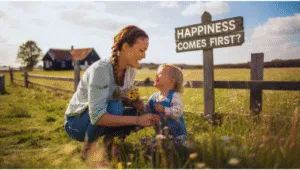
1-Happiness Comes First
The Danish way of parenting is of the opinion that smiling children make good and strong adults. They do not push kids to be the best at school or at sports, but they promote play, creativity, and fun. This less keen strategy will make children achieve self-esteem and a liking to learn without excessive strain. There is usually a quality time together between parents and kids as they go out there to enjoy nature and its simple things. They also teach children how to get joy from small things, which allows them to stay positive throughout their whole life.
2-Honesty Is Very Important
The Danish way of parenting appreciates honesty and does not entertain a child with frightening or unrealistic stories. They like telling light but profound stories, which are lessons of life in a positive form. This will enable children to have confidence in their parents, and it will make them realize that any feeling can be normal and nothing to worry about, as we exist in a state of being happy, sad, or scared. The children are advised to communicate freely about the feelings they have, and the parents listen without criticising or lecturing.
Key Parts of the Danish Way of Parenting
Let’s look at the six main parts of this lovely style of parenting. The inspirations of these thoughts are based on the renowned book titled The Danish Way of Parenting, authored by Jessica Joelle Alexander and Iben Sandahl.
1-Play Is Powerful
The Danish way of parenting does not tell the child how to behave; they rather leave them to play by themselves. In this manner, children are more creative, problem-solving solving and more independent. Having fun plays a major role in learning for children.
2. Be Real, Be Honest
The Danish way of parenting encourages kids to talk about every kind of feeling, whether it is a happy or a sad one. They teach children that crying and talking about their feelings is okay, which reflects important traits of a good parent. This makes the children know how they are, which they are at ease talking about.
3. No Harsh Punishment
The Danish way of Parenting does not beat or scream at the children in Denmark. Rather, they talk in a low voice and understandably elaborate on the rules. This assists children in feeling respected, learn from their mistakes, and becoming better listeners.
4. Show Empathy Every Day
Danish mothers and fathers teach children to be concerned about what other people feel. They are nice in their daily life and assist children in viewing alternative sides of disputes. Parents instill empathy by posing questions like: How did your friend feel? This assists children in becoming sweet and nice towards people.
5. Build a Strong Bond
The Danish way of parenting also interacts with their children daily. They have dinner, play, and communicate with each other. Such incidents create a bond between them and make children feel loved and secure. They are also parenting supports.
6. “Hygge” – The Magic Word
Hygge is literally translated as a comfy, joyful period with friends or family. The Danes make hygge through the use of candles, sharing delicious food, sharing stories, or cuddling. It is convenient and it is special. Hygge is the reason why parents become less stressed out and get a chance to spend time with their children.
Benefits of the Danish Way of Parenting
- Happy children: They smile more and stress less.
- Better behavior: Kids learn to listen and respect.
- Closer families: Everyone feels safe and loved.
- Stronger emotions: Kids grow into kind adults.
- Better learning: Less pressure means more real learning.
This style makes life softer, calmer, and richer for both parents and children.
How to Parent With Grace – The Danish Way
How to parent with grace -the Danish way
1-Speak Kindly
Speak with a low tone of voice even when your child is doing wrong. Speak in little words. Stay calm.
It will educate your child on the fact that love is never lost, even during difficult moments.
2-Listen More
It is not enough to talk. Listen to your kid. Question: How are you feeling, or what do you feel like?
That is real grace, to know without criticizing.
3-Share Joy
Laugh together. Dance. Tell jokes. Have fun games. Such occasions create good memories. Happiness is the cement of family.
4-Be Present
Put your phone aside. Study your child. Be there fully. Kids can feel when we are concerned. Presence is an expression of intense care.
5-Gentle Limits
Children should not be afraid of rules but rules. Make them know the products that are acceptable and unacceptable.
Ask questions with a Yes reply more than No.

Simple Danish Way of Parenting Tips You Can Start Today
- Go on a nature walk with your child.
- Never ask your child to quit crying. Say unto them, I recognize thee.
- Share your day with your child.
- Have a meal together at least once a day with no phones.
- Tell him Thanks a lot, and I love you.
- Make a small time of coziness during the week: books, candles, and hugs.
- Compliment the work, not the achievement. “You had worked so hard!
These steps might appear to be minor, but they transform everything.

Real Stories: What Parents Say
Fatima, mother of 2 from Pakistan:
“After learning about Danish parenting, I stopped yelling. Now we play more, laugh more, and my daughter listens better.”
John, Dad from Canada:
“I never thought quiet talks would work better than loud ones. But they do. I see more peace in our home now.”
Conclusion: A Kinder Way to Raise Children
So, what is the Danish way of parenting? It is about raising strong, happy kids with love, honesty, and joy. It’s about playing, listening, and being kind. This way doesn’t need money. It just needs time, care, and trust. The Danish way of parenting is not perfect, but it’s gentle. It works. And it can work for you too.
Frequently asked questions (FAQ)
Q1: What makes Danish parenting different?
It concentrates on game, sympathy, and relaxed interaction. The parents do not administer severe corrections and establish good emotional connections.
Q2: Is it possible to attempt such a style when I live in a different country?
Yes! Danish parenting can be tested worldwide. It is all in your head, not in your location.
Q3: What do I do to begin parenting gracefully?
Begin with patient calmness, kindness, and attention. Keep a listening ear to your child. Be honest. Have cozy occasions.